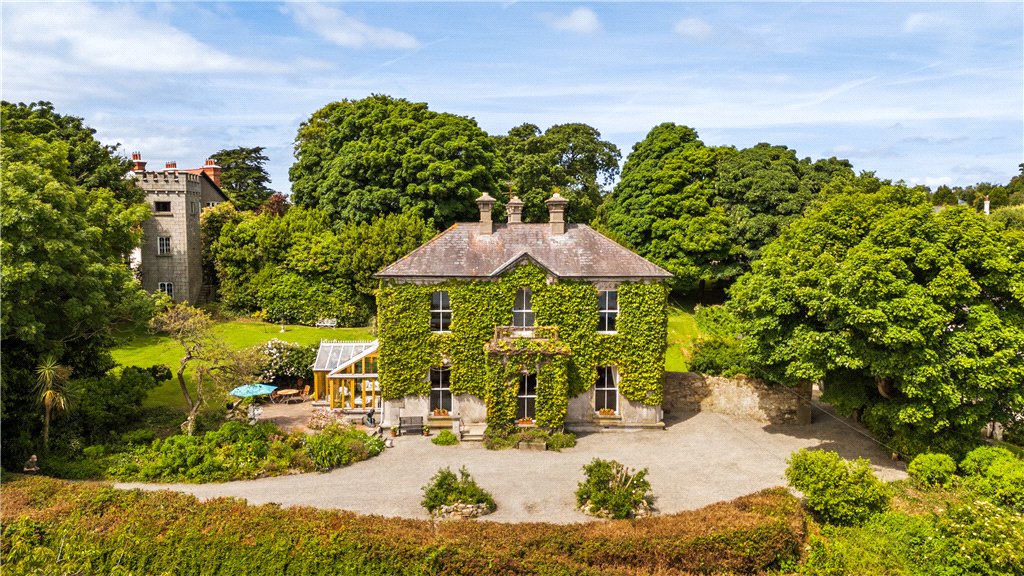
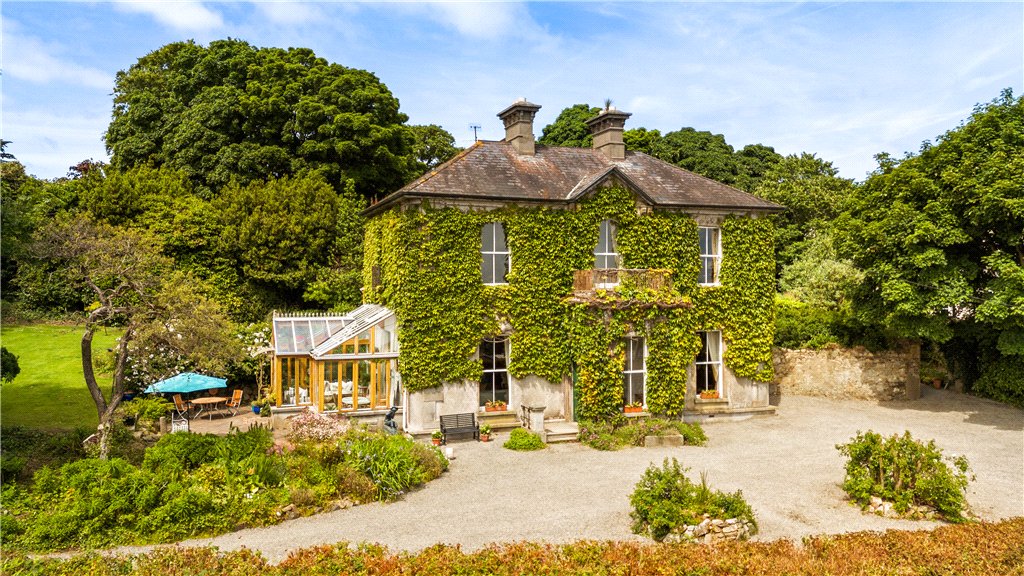
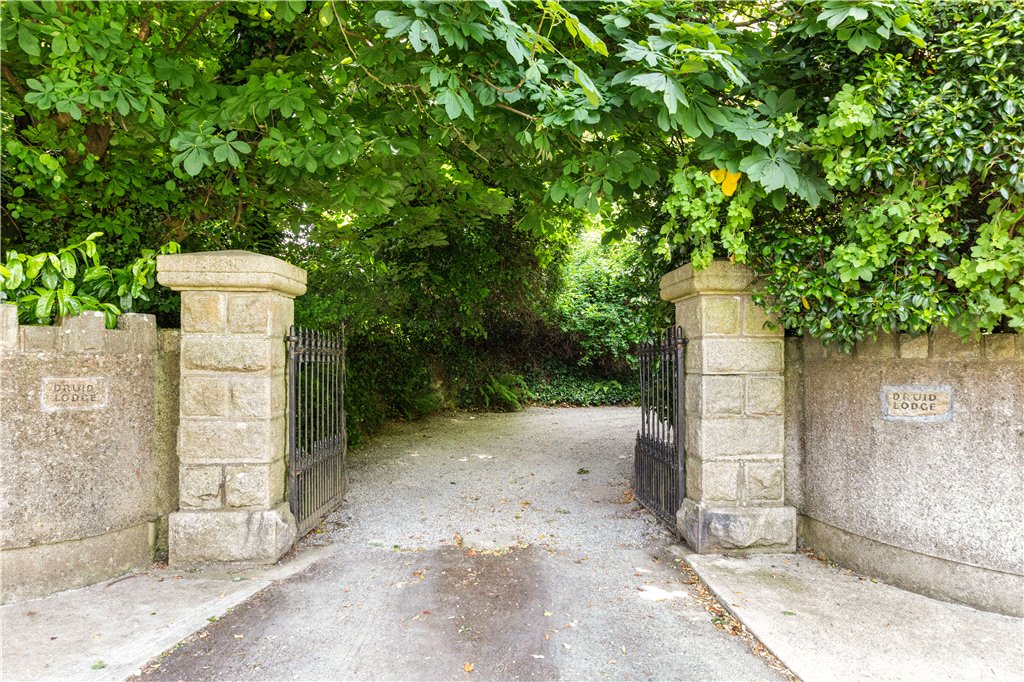
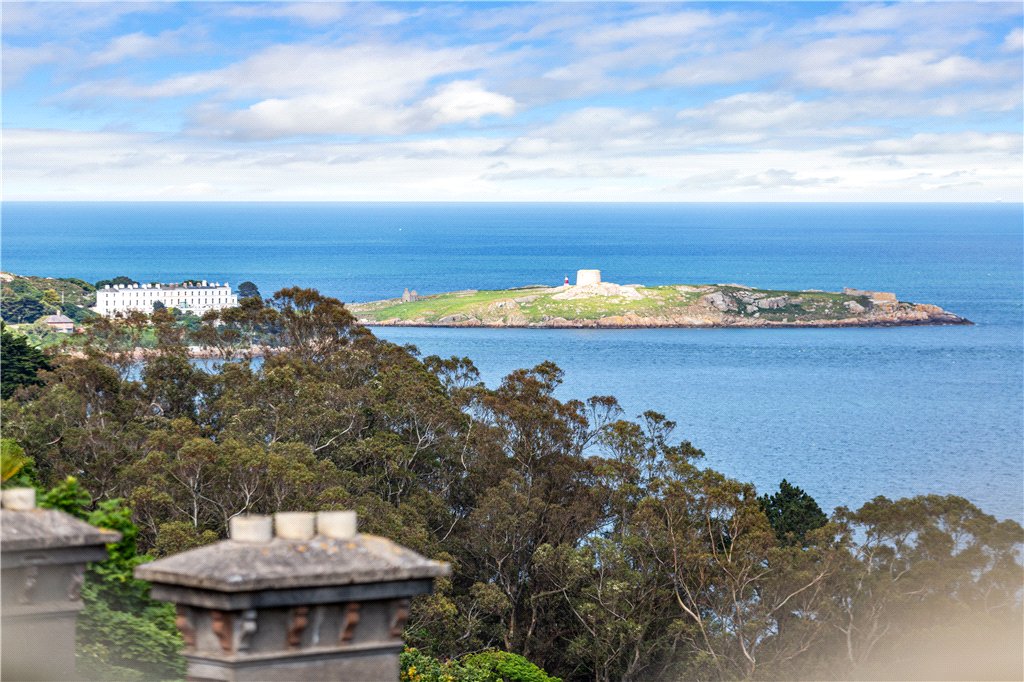
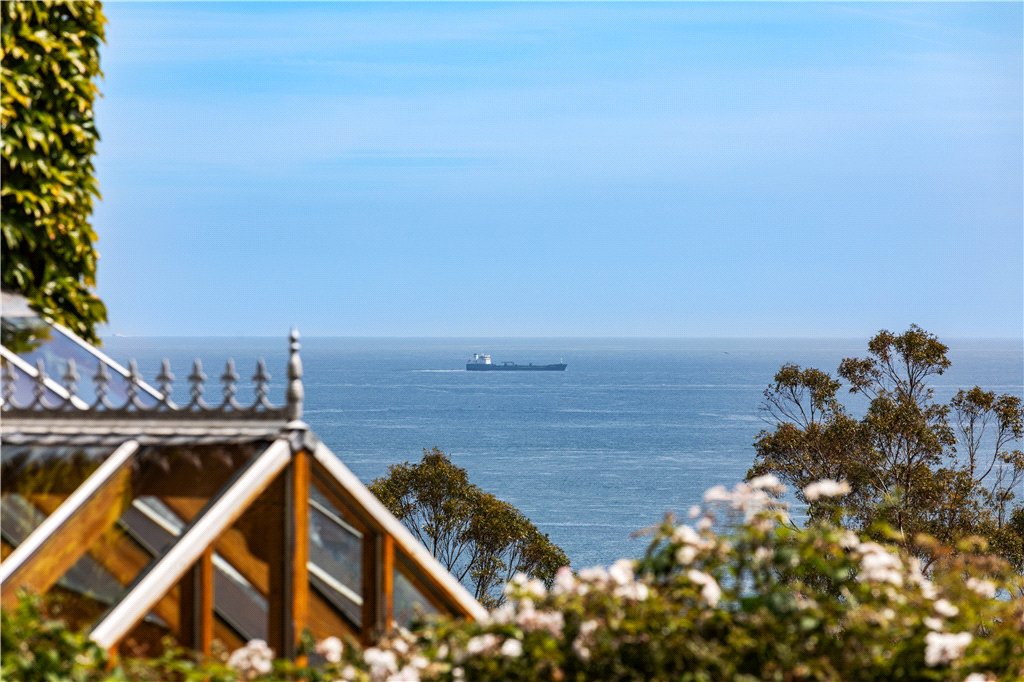
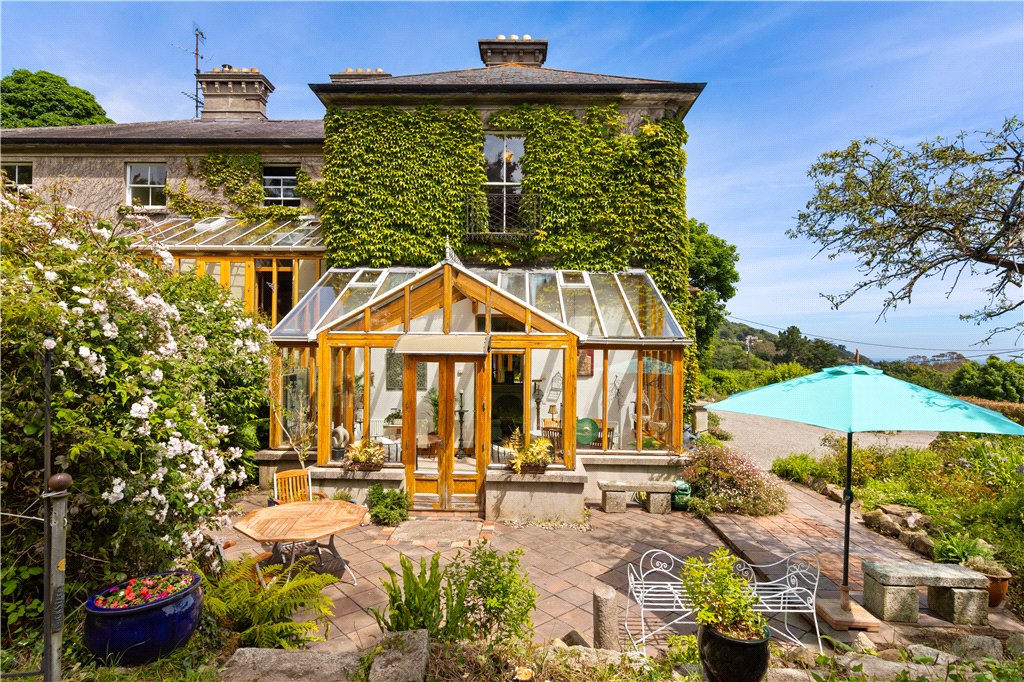
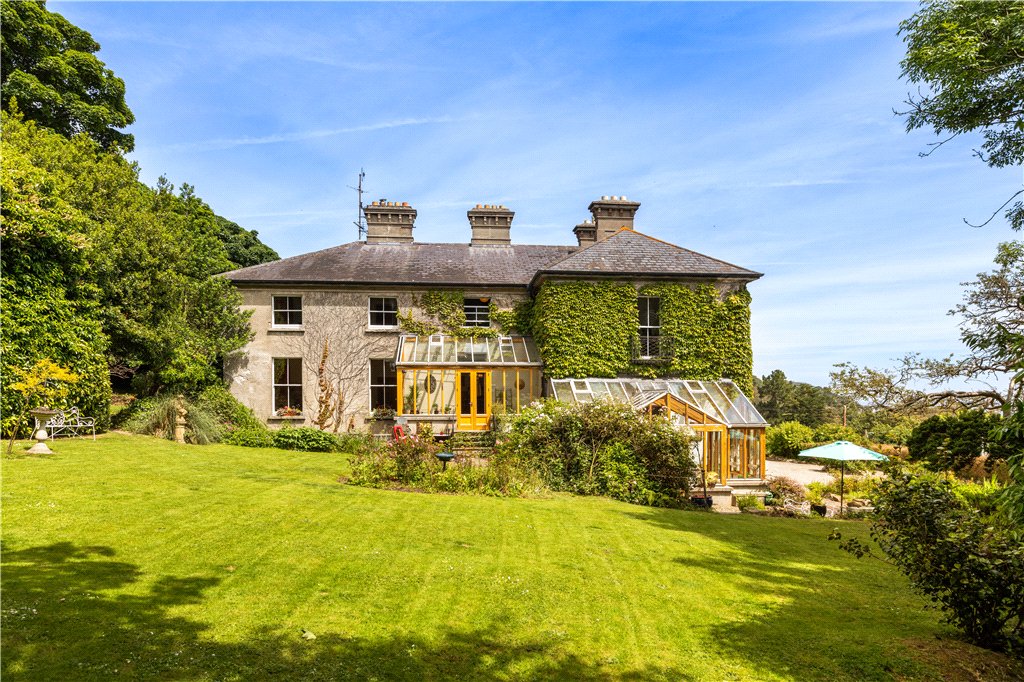
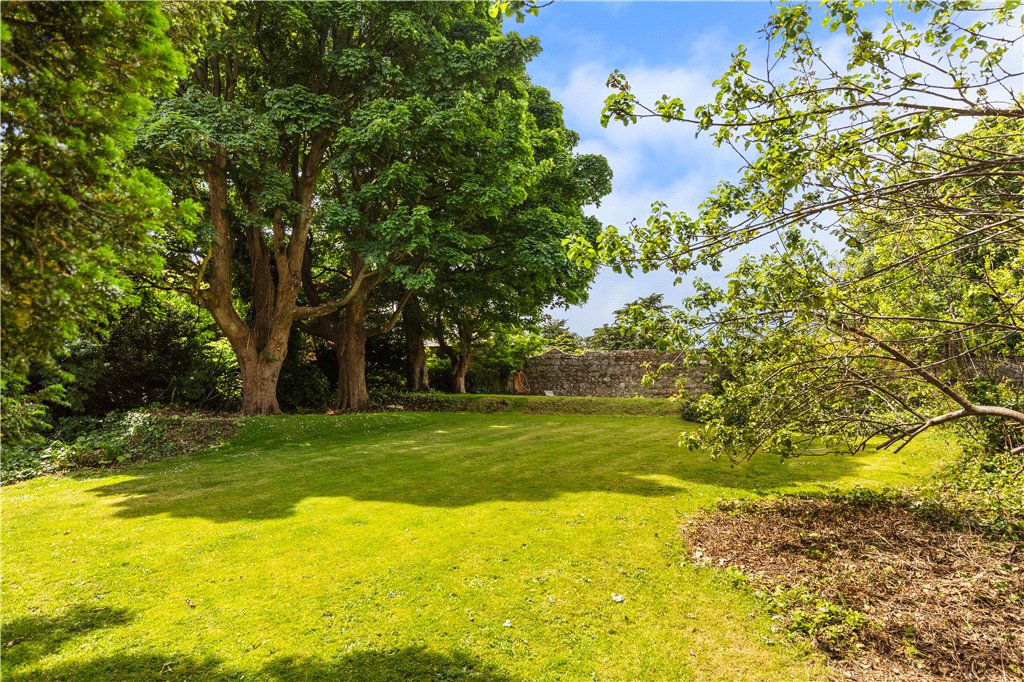
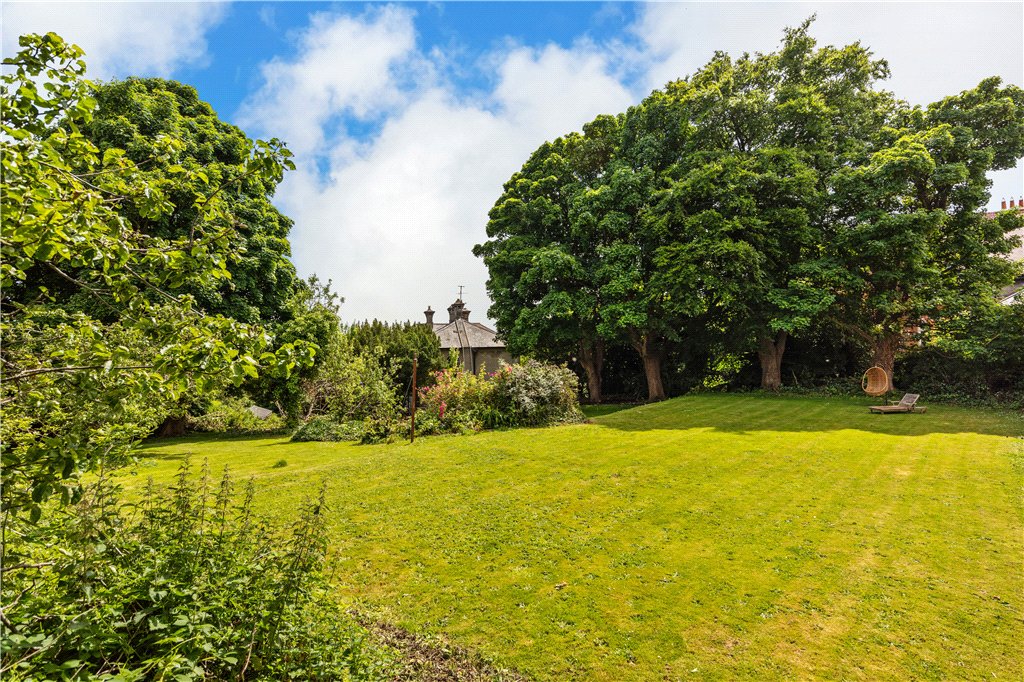
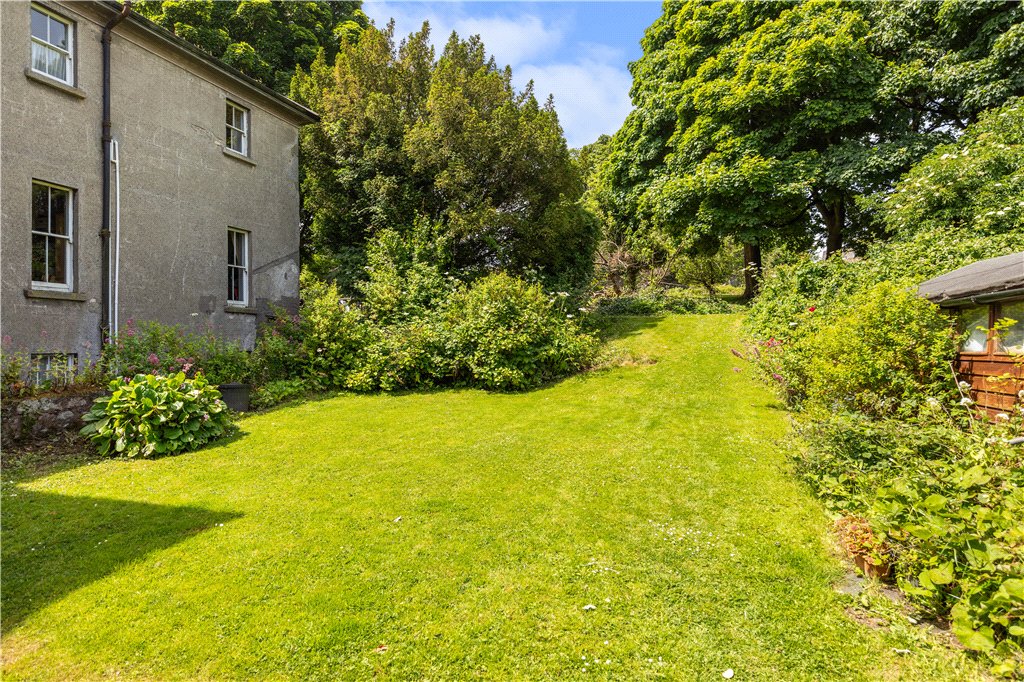
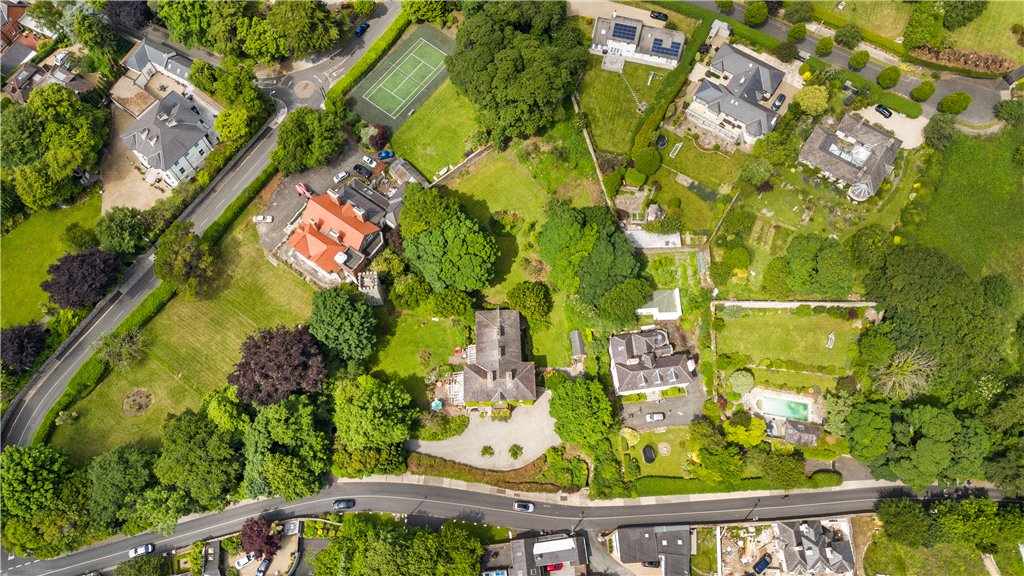
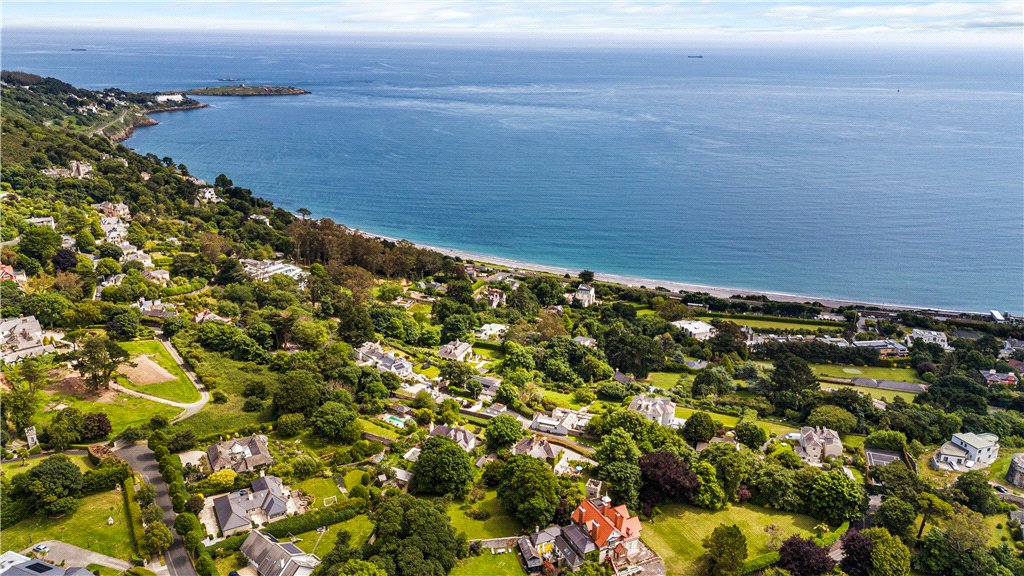
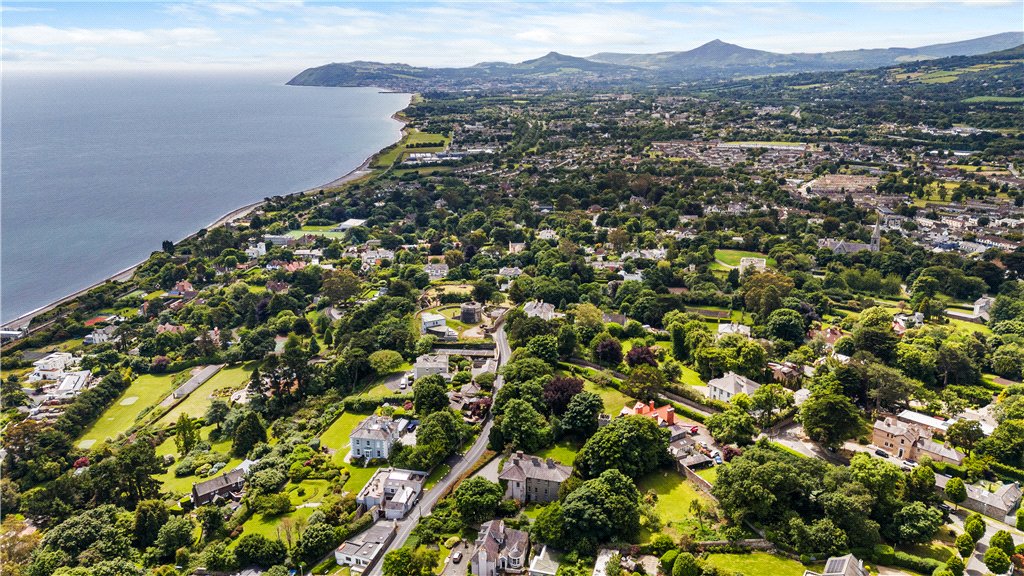
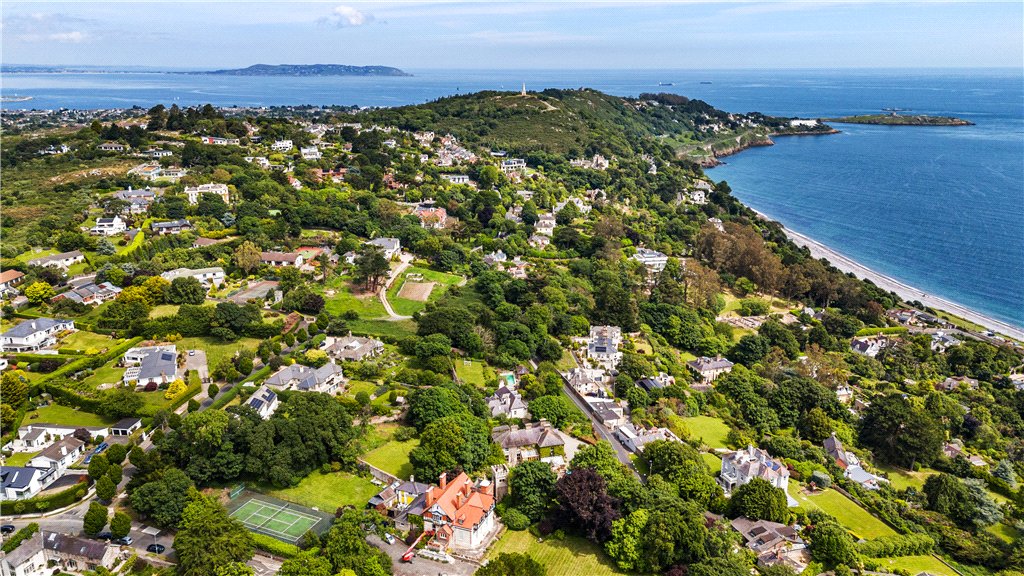
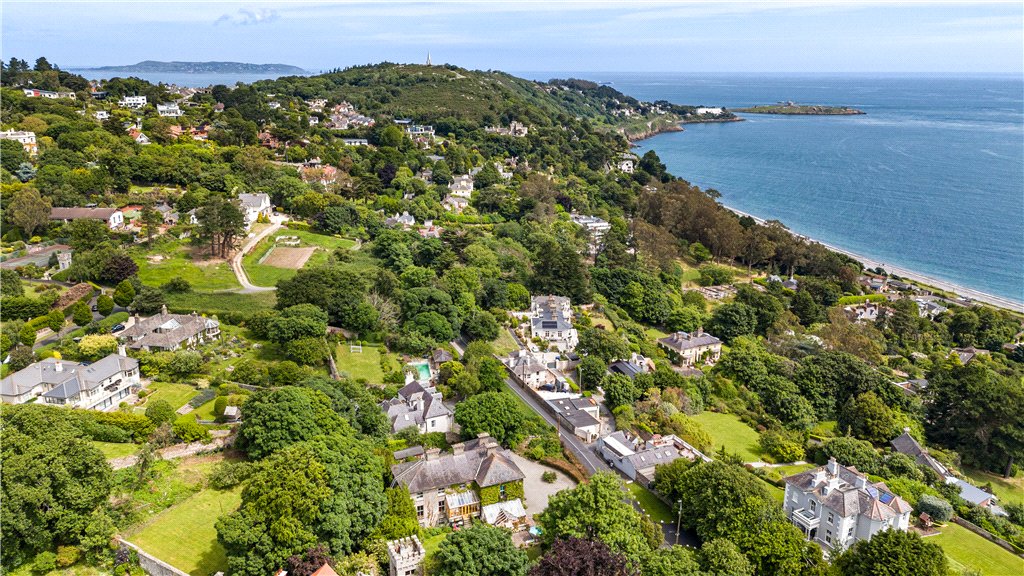
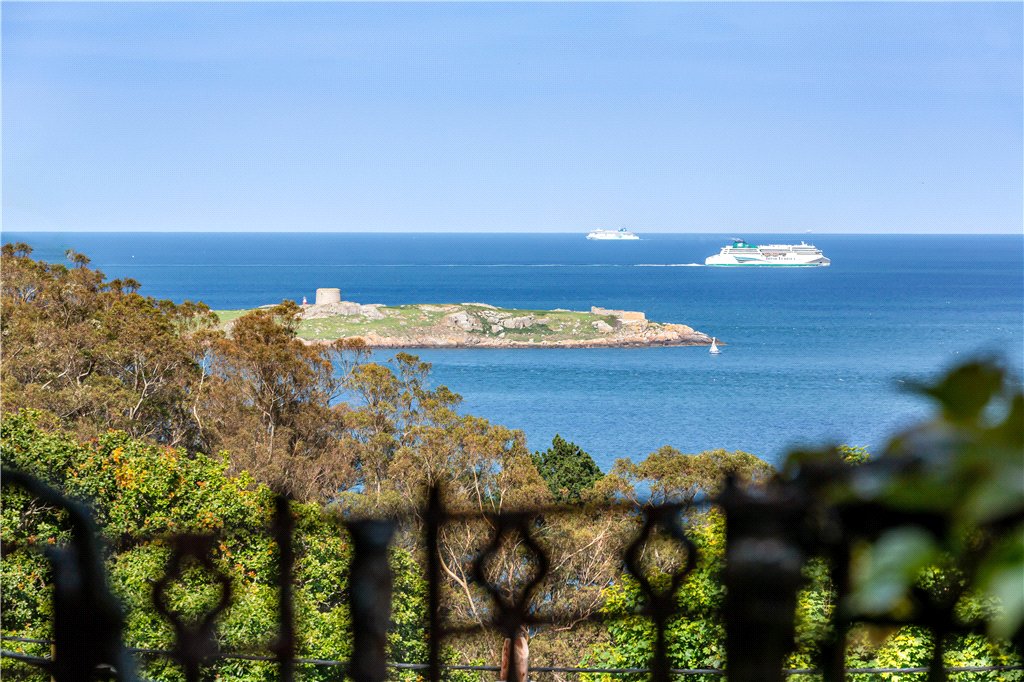
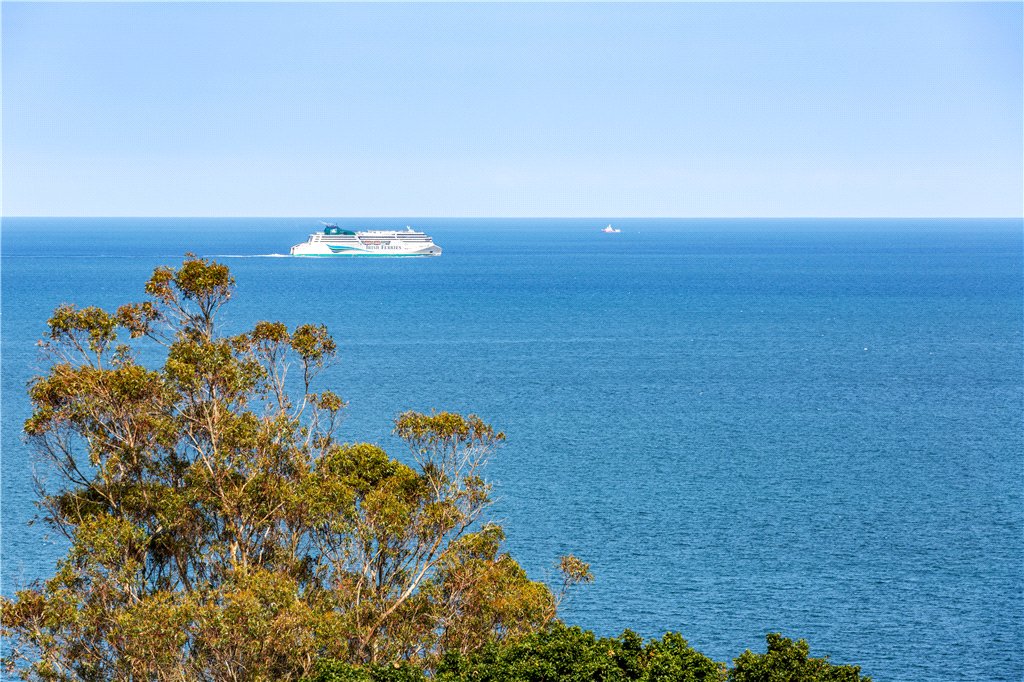
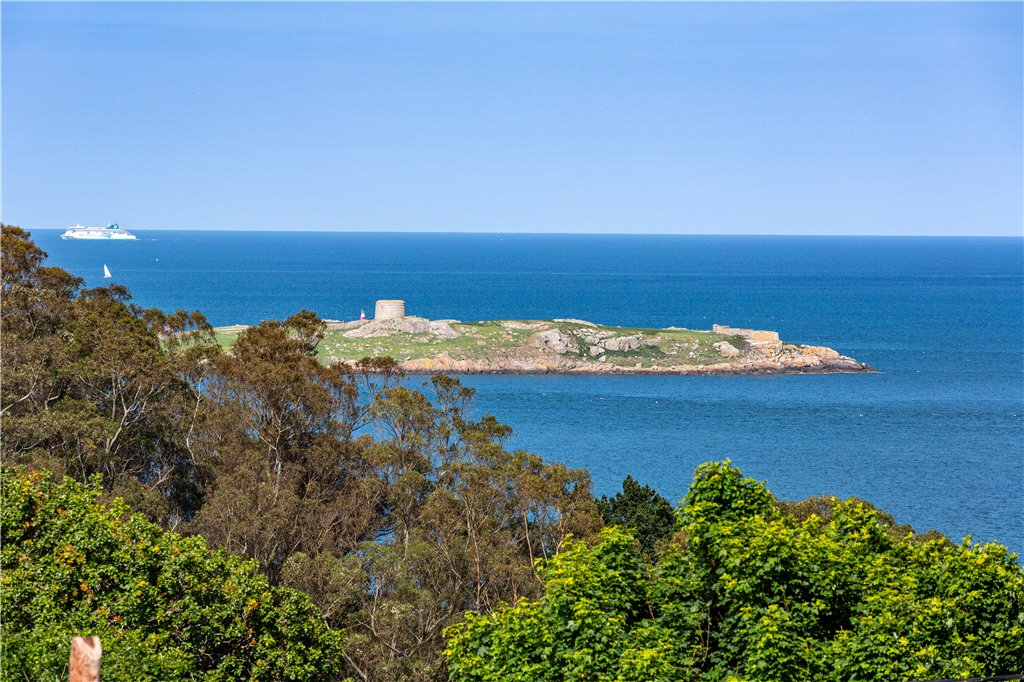
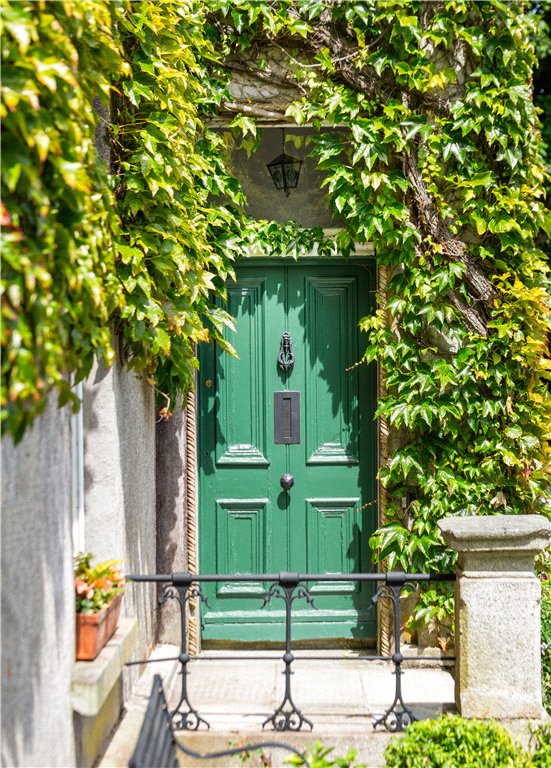
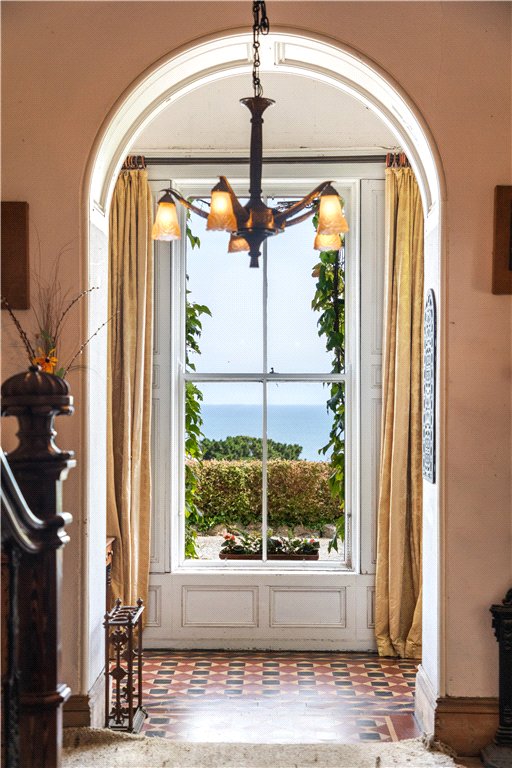
Discreetly hidden behind a laurel-laden entrance on Killiney Hill Road, Druid Lodge is a rare and deeply atmospheric coastal residence of exceptional privacy, history and architectural presence. Set on approximately 1.2 acres of mature, well-tended grounds, this storied home unfolds as a place of calm authority and gentle drama, where sea views are revealed only once the gravelled sweep opens before you.
Part-Victorian, part-Georgian, Druid Lodge is a house of layers, of eras, of craftsmanship, of lives well lived. From the moment the gates close behind you, the outside world falls away, replaced by birdsong, filtered light and the ever-present shimmer of the sea.
Few houses in Ireland carry their past as gracefully as Druid Lodge. Among its most notable residents was John Blake Dillon—politician, Young Irelander and writer—who, after exile to the United States in 1848, returned to Ireland and married Adelaide Hart, niece of the then owner. In his memoir, Dillon wrote:
“I associate all the happiest memories of my life with Druid Lodge.”
That sense of contentment and refuge still permeates the house today.
Extending to approximately 545 sq m (5,877 sq ft) over three levels, the house offers six bedrooms and generous reception rooms.
Purchased in 1979, the house has been lovingly cared for by owners with a deep appreciation for architecture and art. As a protected structure, Druid Lodge showcases an exceptional level of original detail, meticulously restored and preserved.
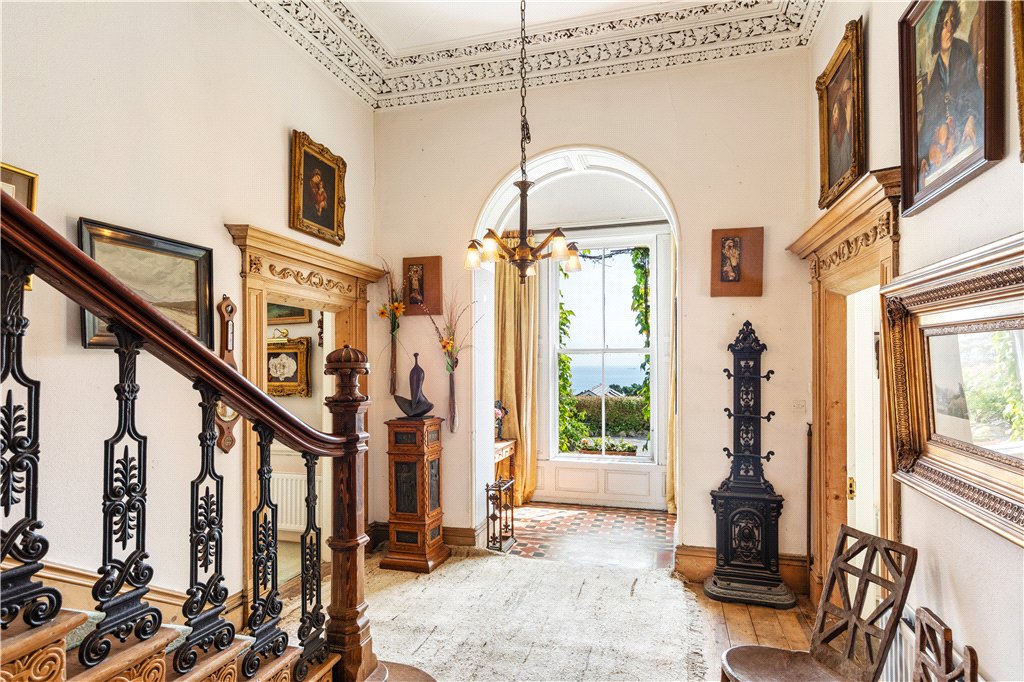
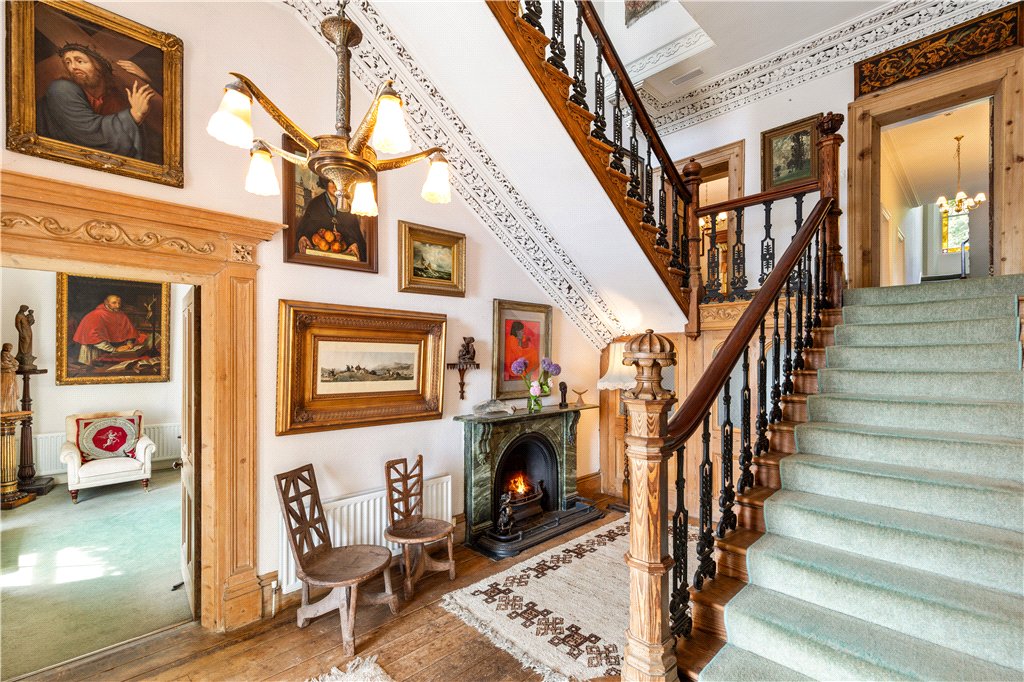
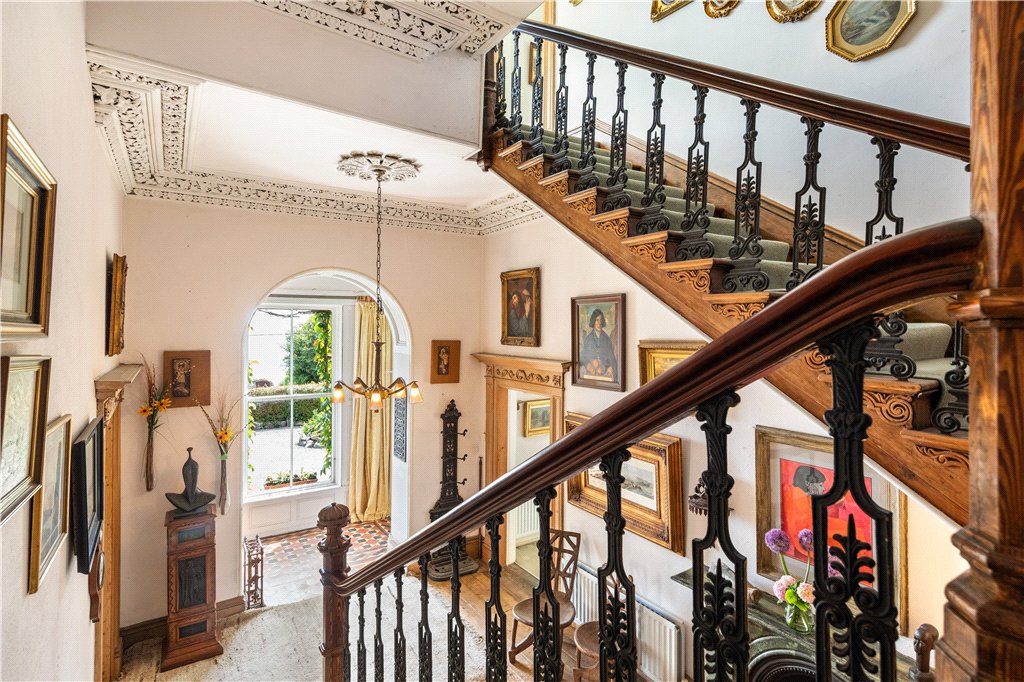
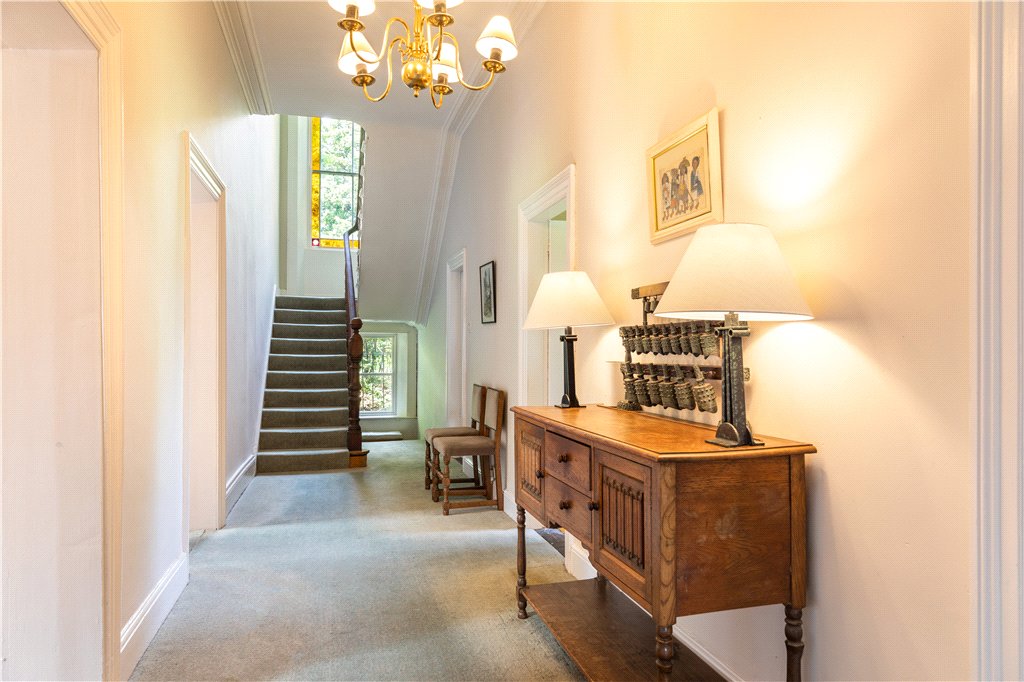
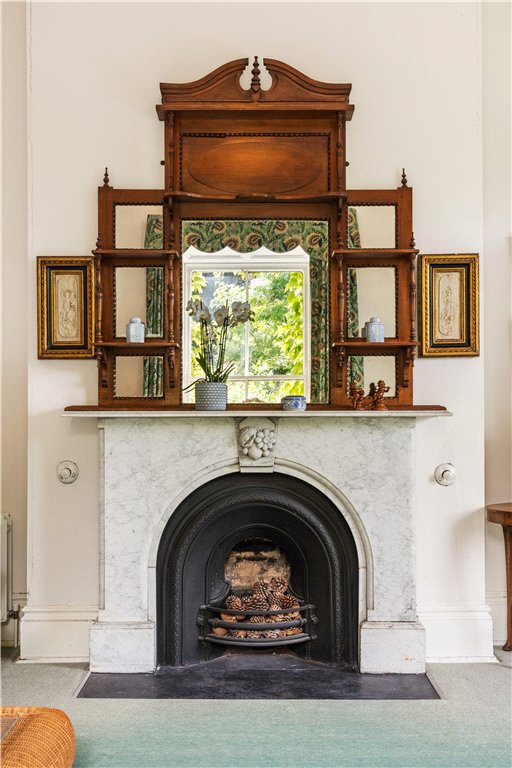
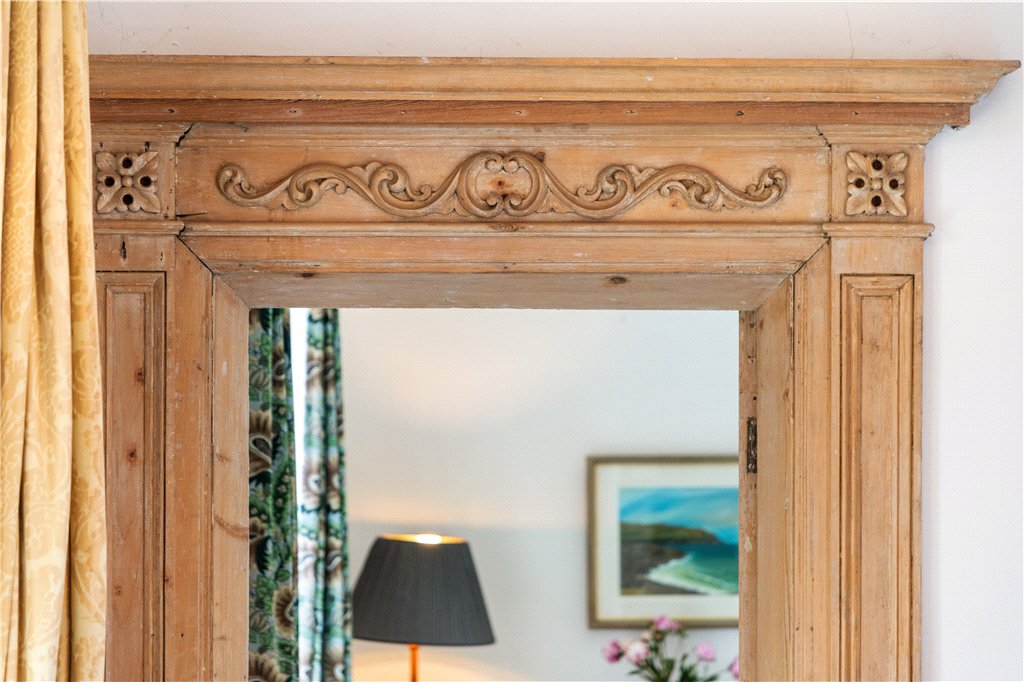
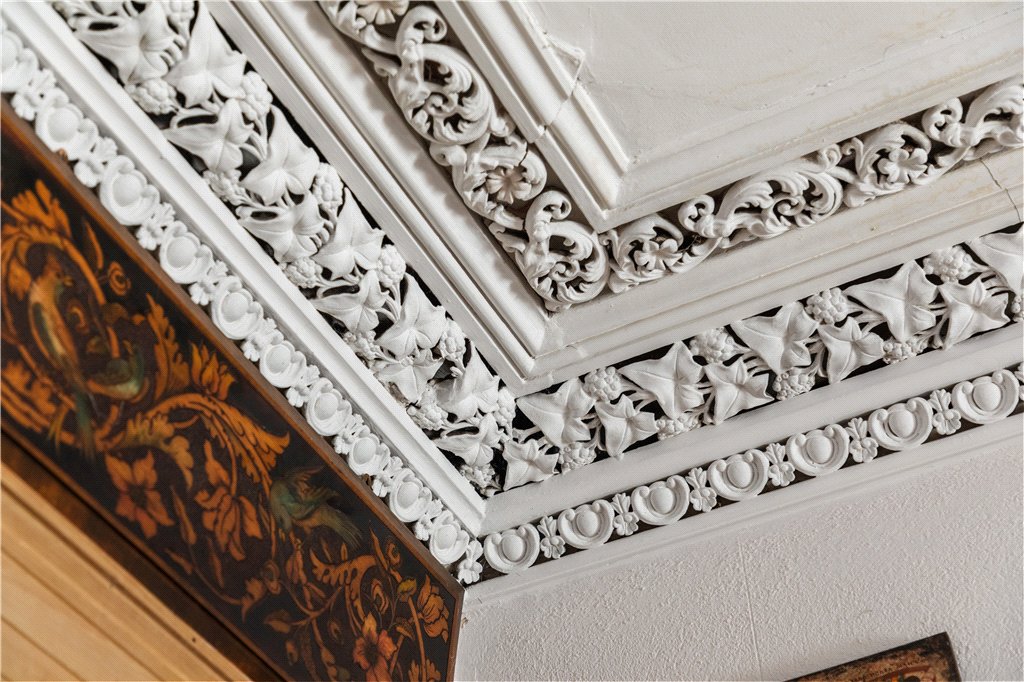
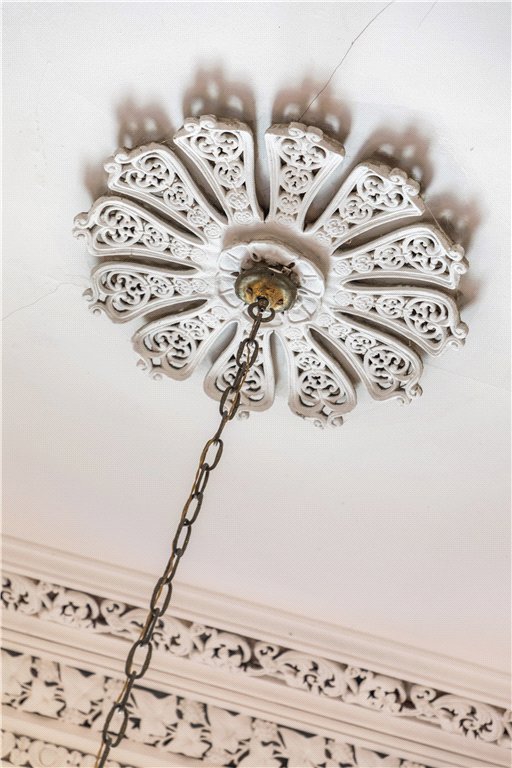
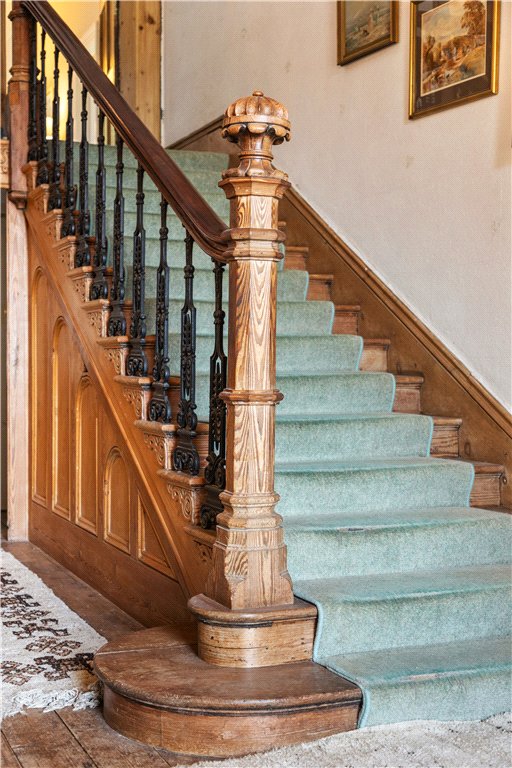
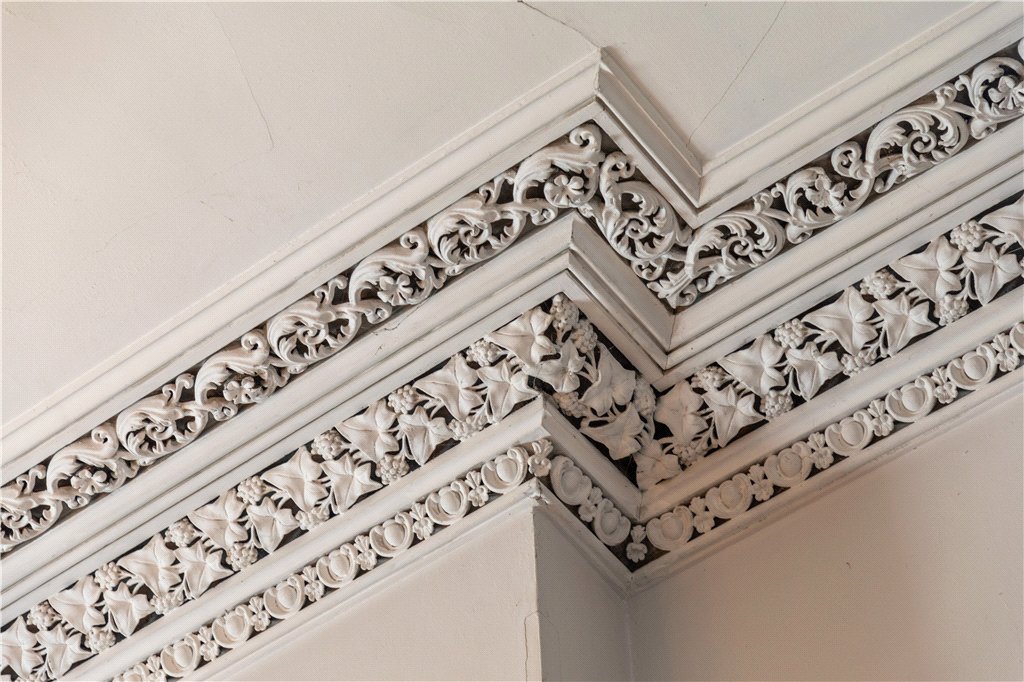
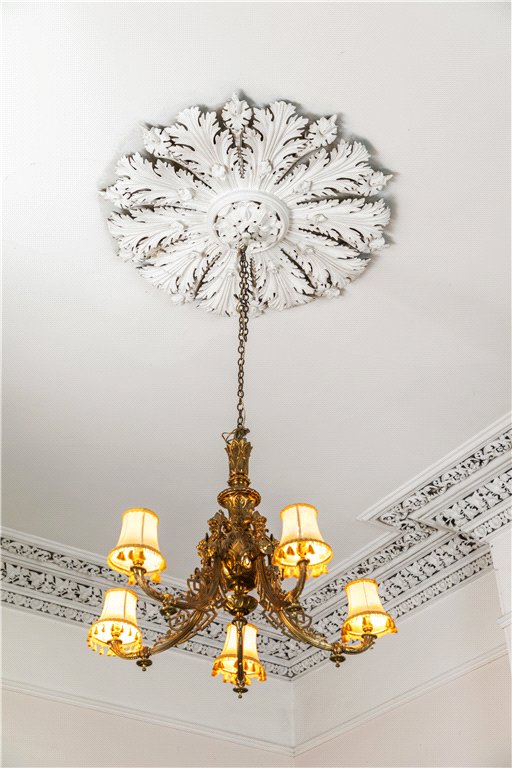
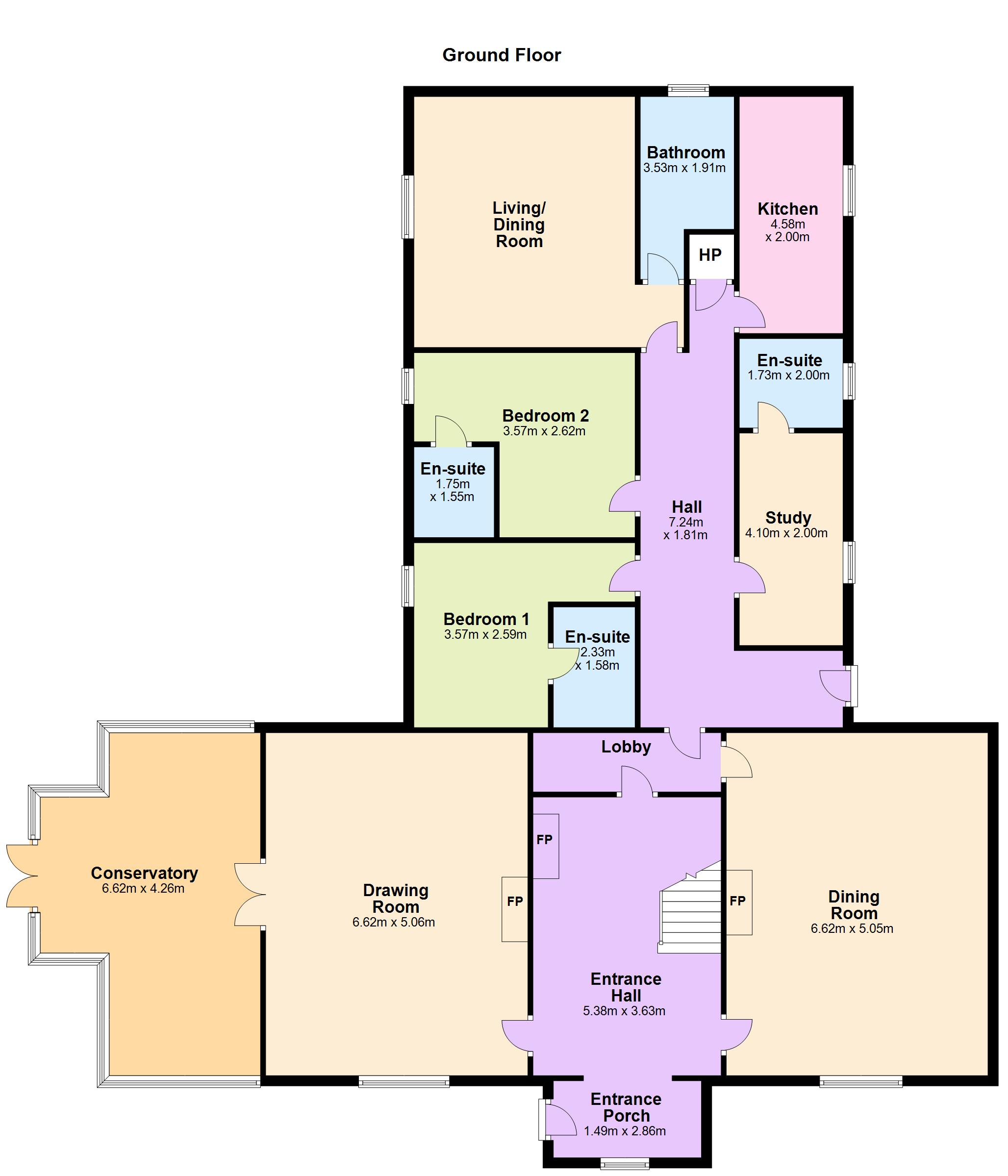
The entrance hall sets the tone immediately: light-filled and elegant, with original stripped timber floors, an exquisite green Connemara marble fireplace, intricate coving and elaborately carved architraves. The restored stairwell is a particular triumph—both sculptural and serene.
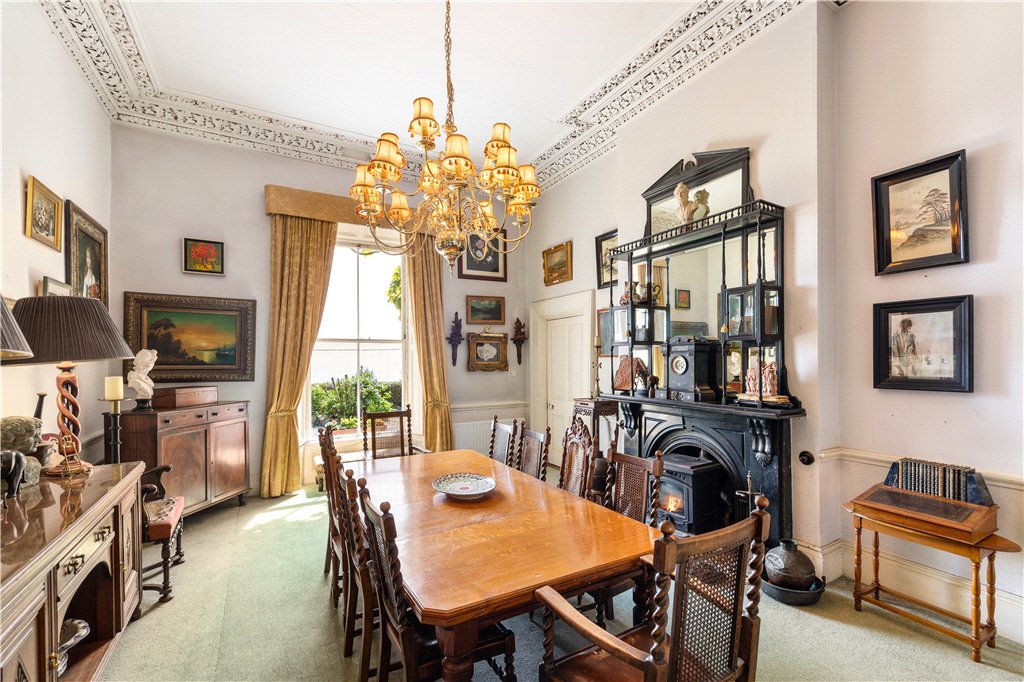
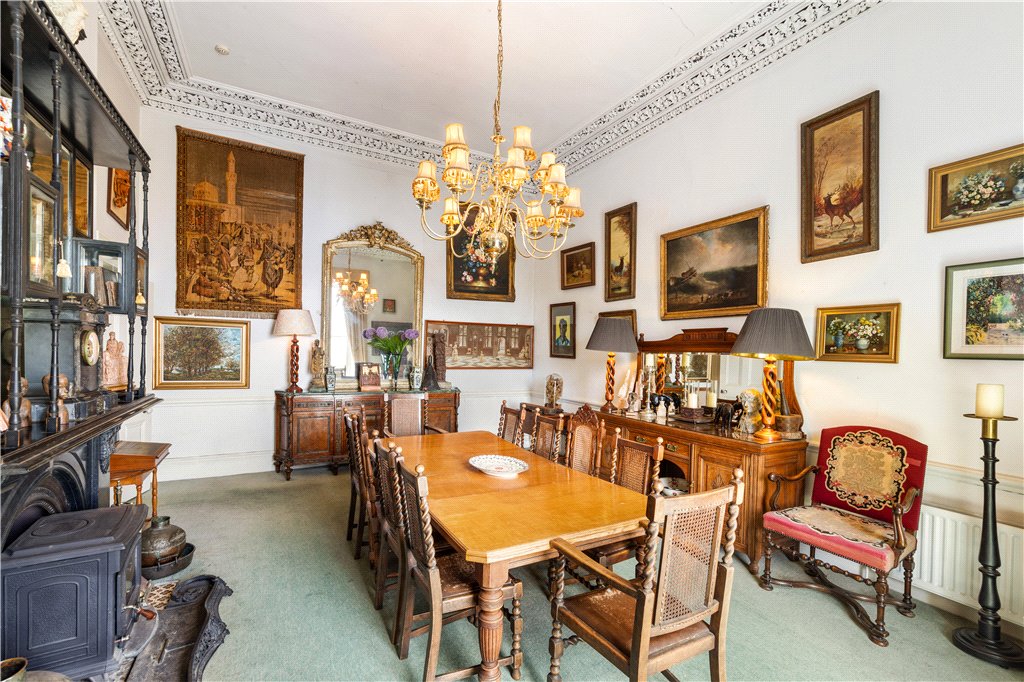
To the left lies the dining room, a grand yet inviting space with soaring 4.2m ceiling heights, a black marble fireplace with inset stove, and tall sash windows framing sea views. These lofty proportions are mirrored in the principal rooms above, lending the house an air of calm confidence.
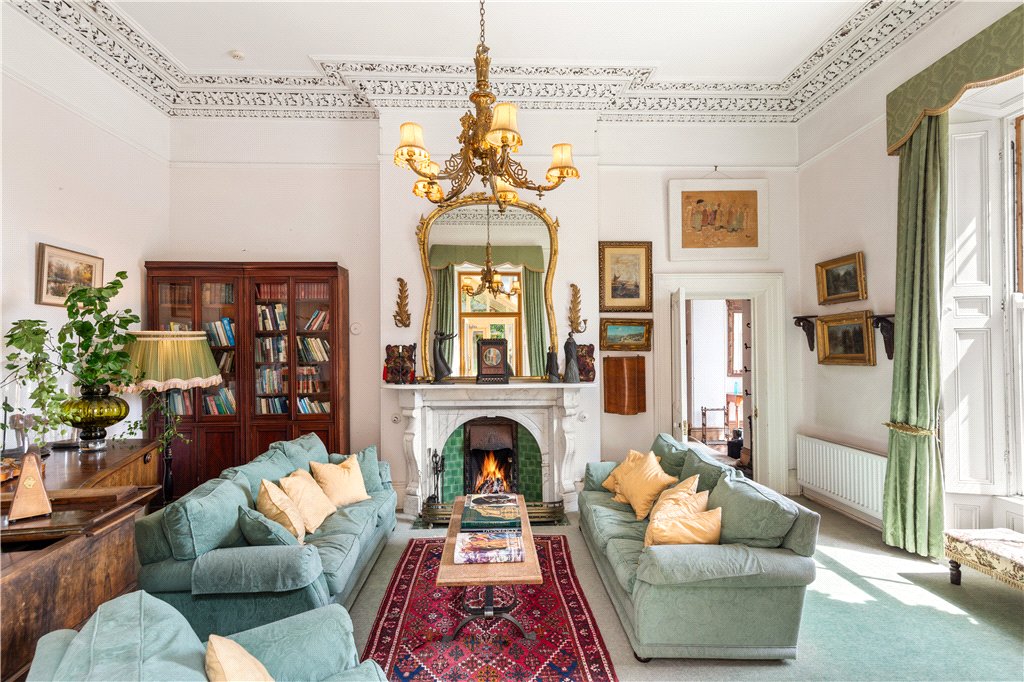
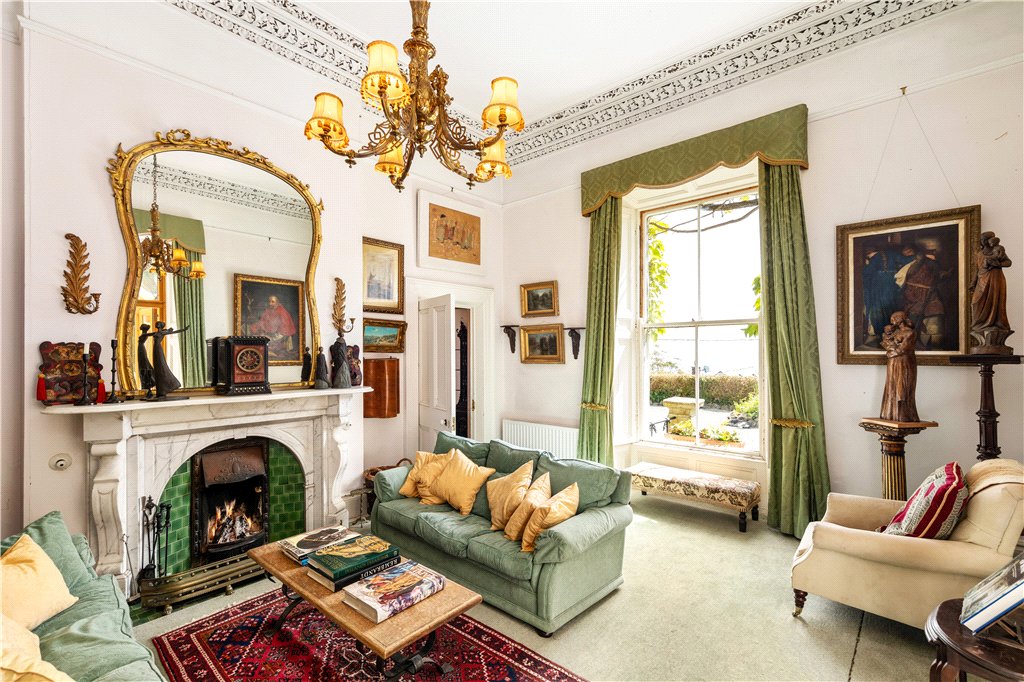
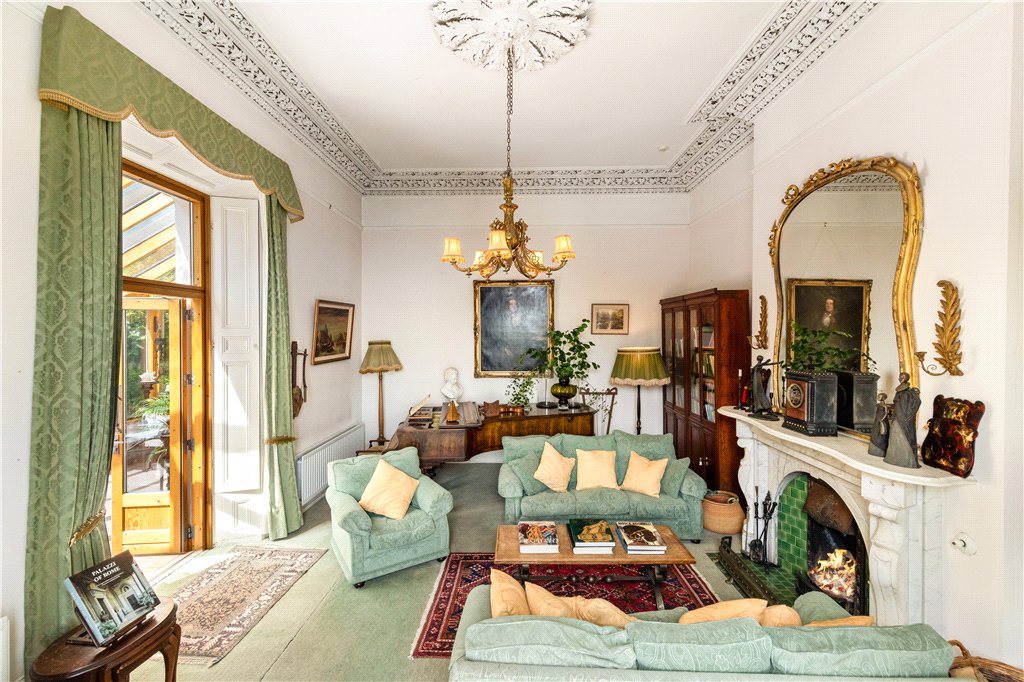
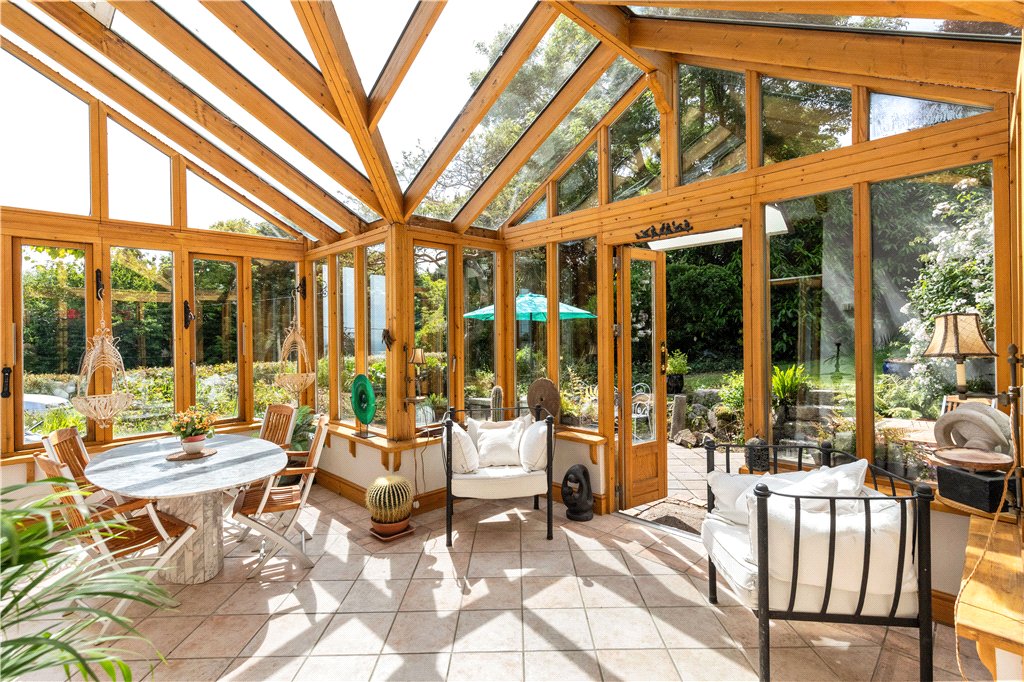
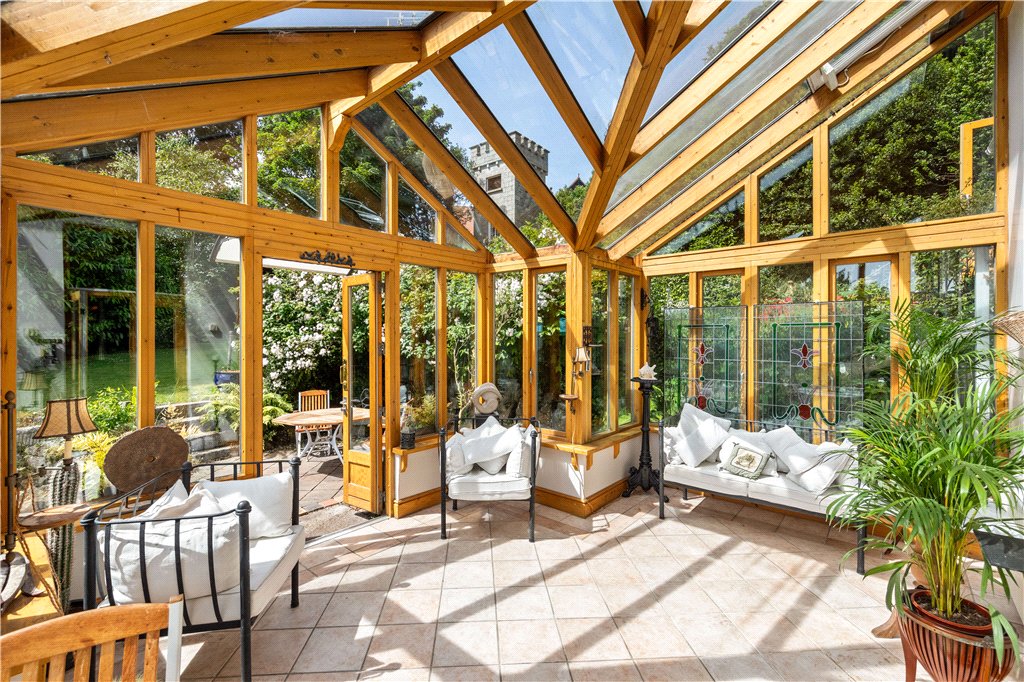
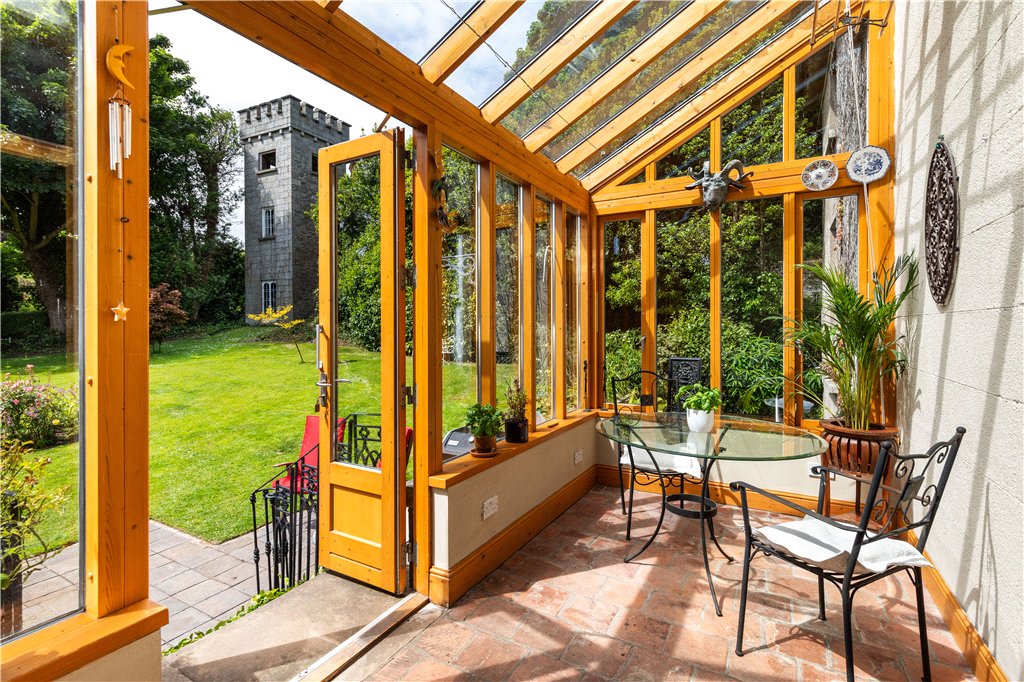
Across the hall, the drawing room is equally impressive, with tall windows, a fine marble fireplace and doors opening into a conservatory added in the mid-1990s—an elegant transition between house and garden, ideal for long afternoons and soft coastal light.
While the property would benefit from selective modernisation, any upgrades can be thoughtfully executed to enhance, rather than dilute, its remarkable original features.
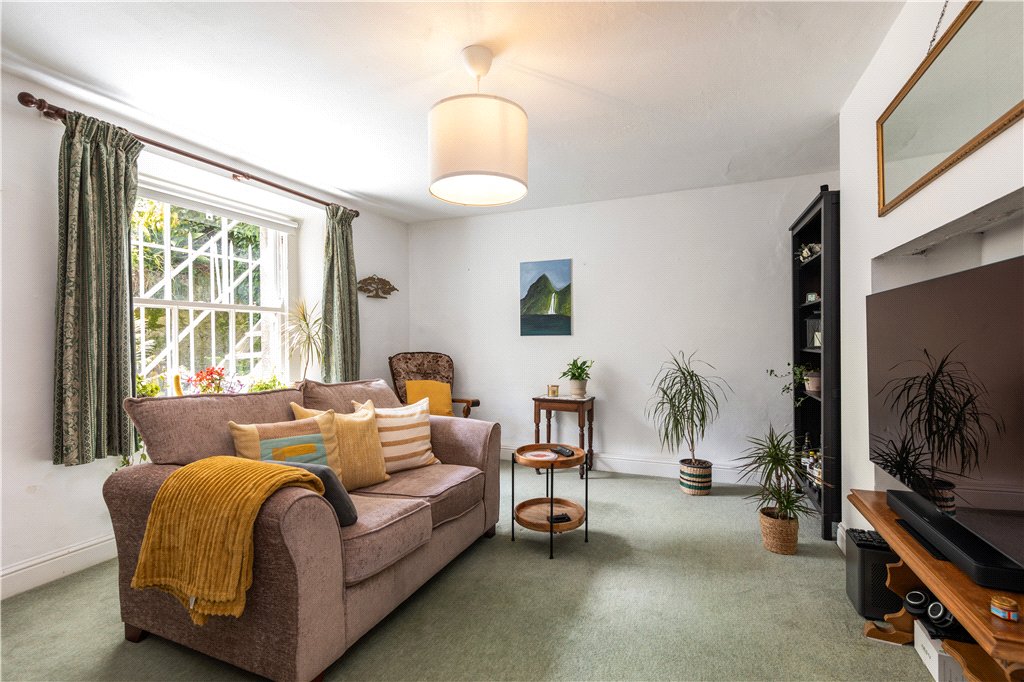
To the rear of the ground floor lies a fully self-contained apartment with its own entrance. Comprising two en suite bedrooms, a study, a family bathroom, and a kitchen-living room, this space offers exceptional flexibility. It may be retained as a rental, used for extended family or adult children, or reintegrated into the main house. Historically, this area would have served as the original kitchens and staff quarters.
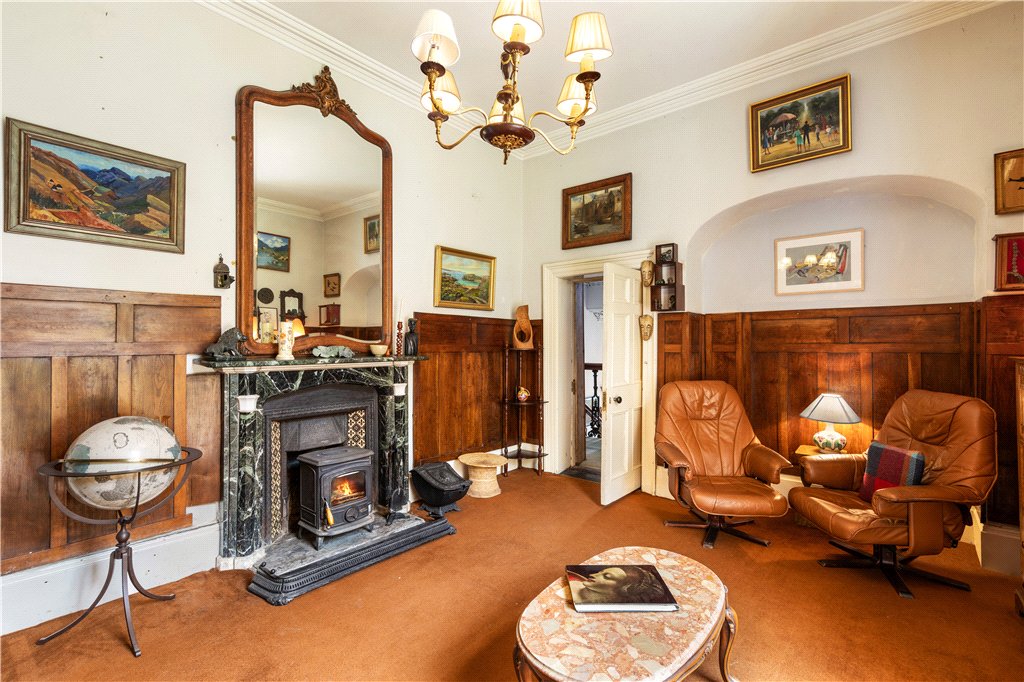
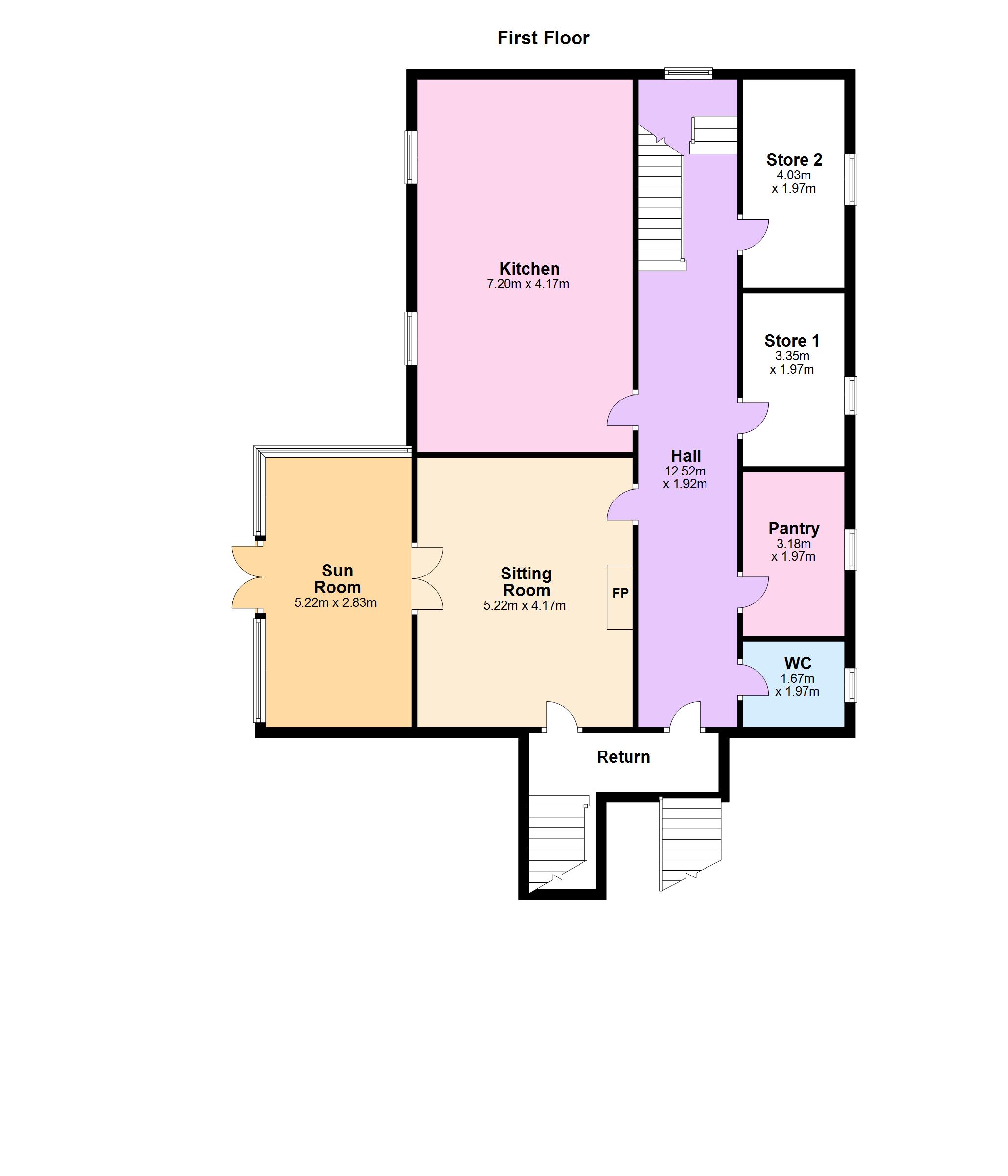
Ascending from the main hall, the Georgian return reveals a beautifully panelled sitting room with adjoining sunroom—formerly the owner’s study—offering a peaceful retreat within the house.
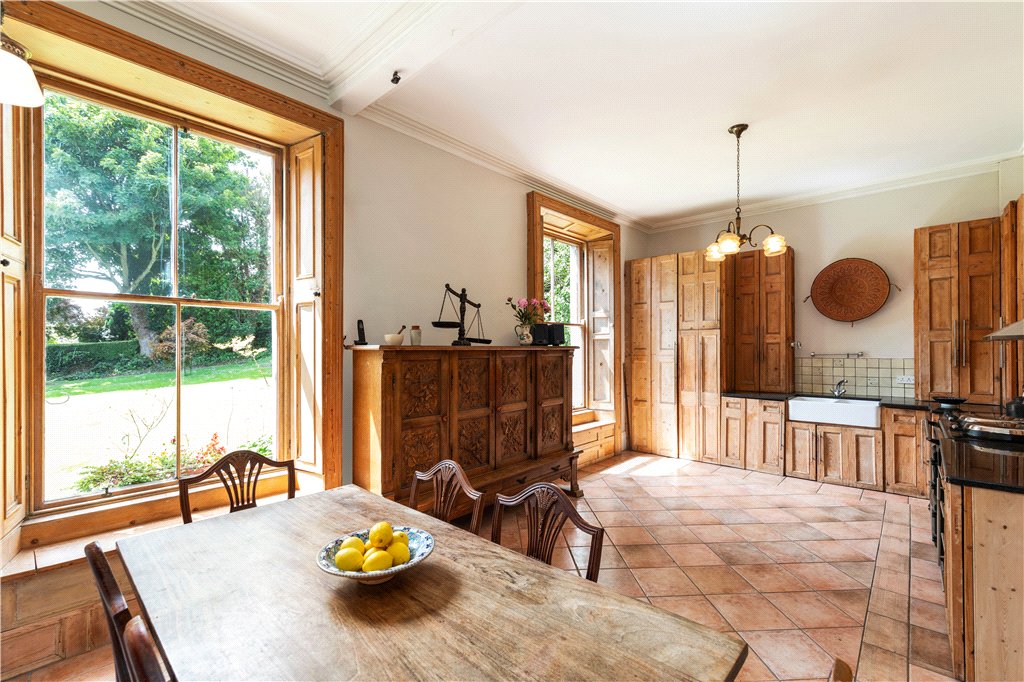
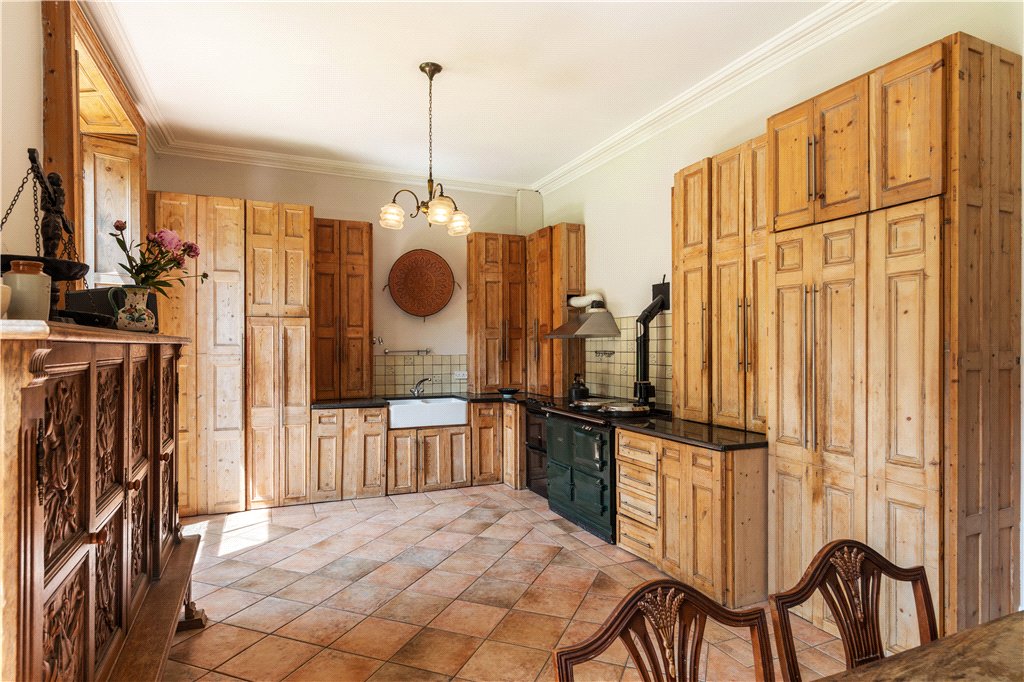
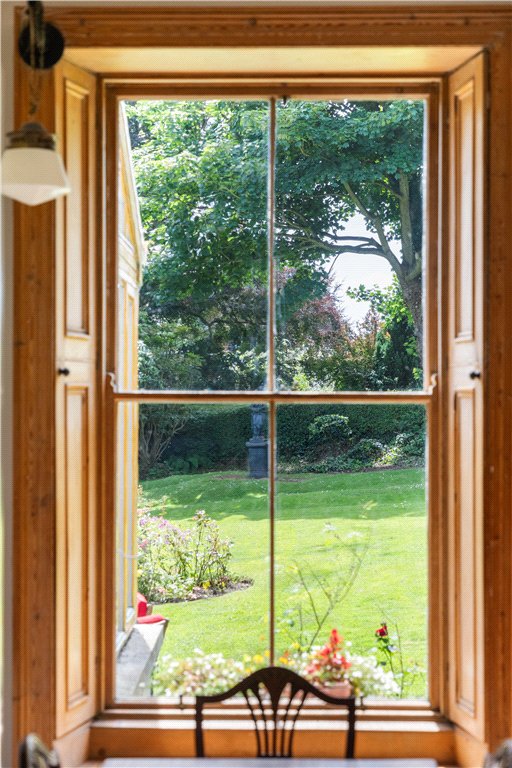
Behind it lies the kitchen, a truly characterful space finished with terracotta tiles and anchored by an old Aga that gently warms the room. Two tall, wood-framed windows with built-in benches invite long pauses and garden views. The cupboards here were hand-built using shutters salvaged from the Sacred Heart Convent on Leeson Street, a detail emblematic of the house’s thoughtful reuse of historic materials.
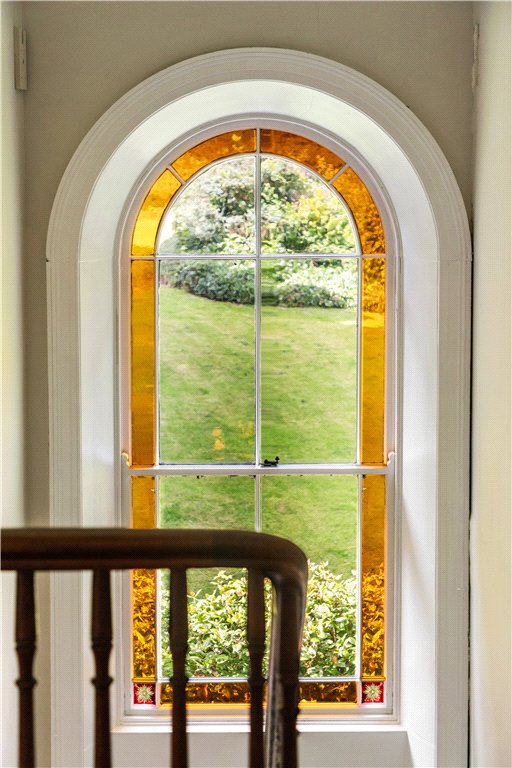
Also on this level are a pantry, two storerooms, and a guest WC. A blocked-off staircase hints at the house’s original circulation, while a tall stained-glass arched window illuminates the stairs to the top floor.
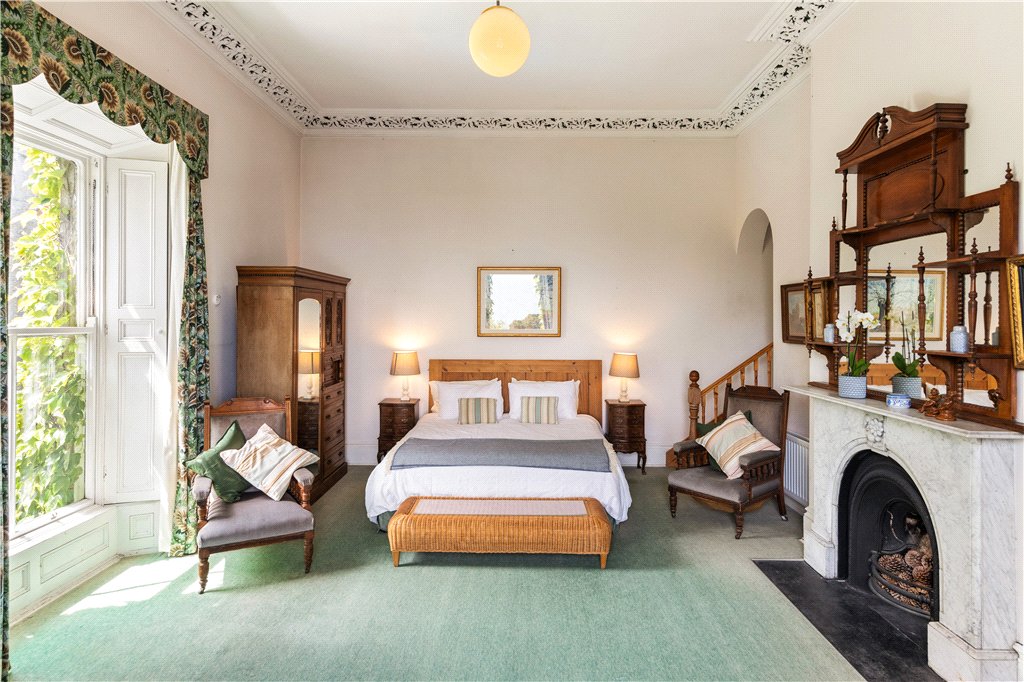
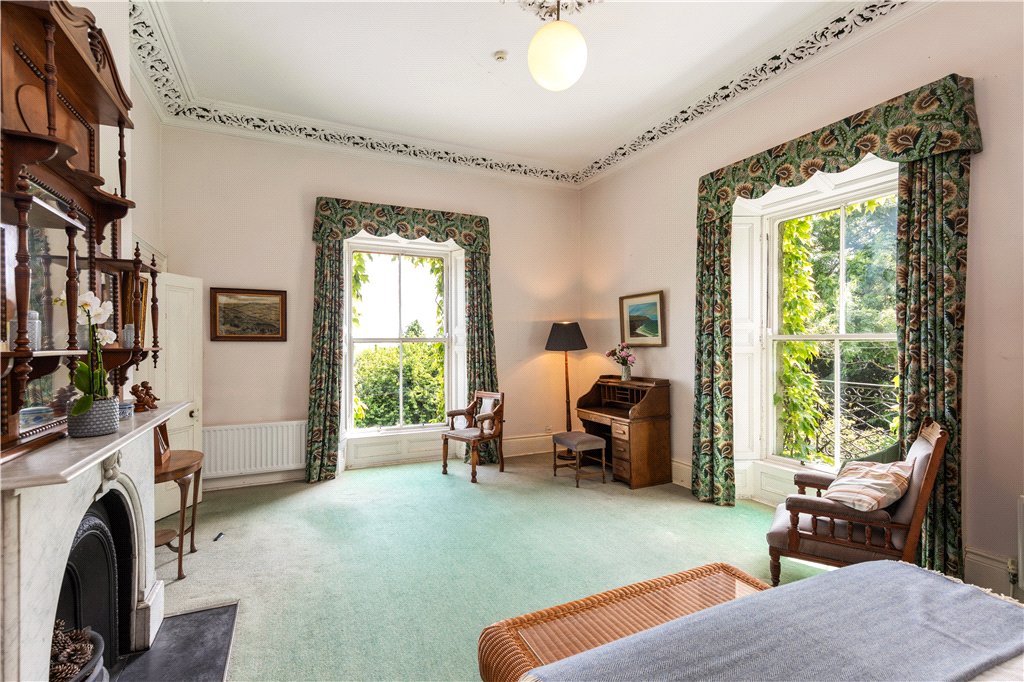
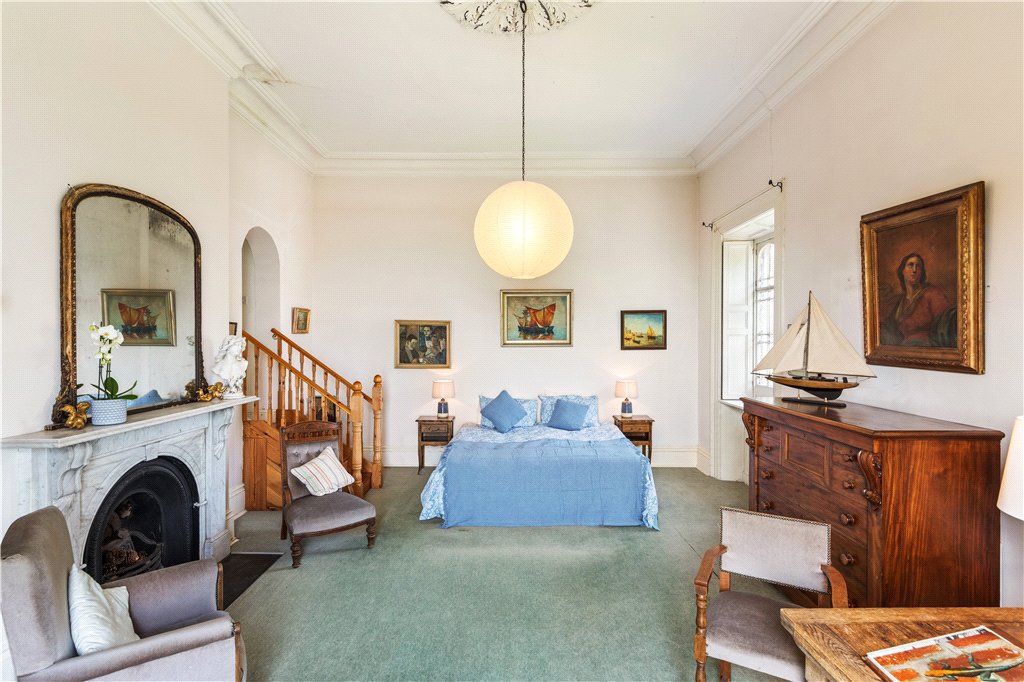
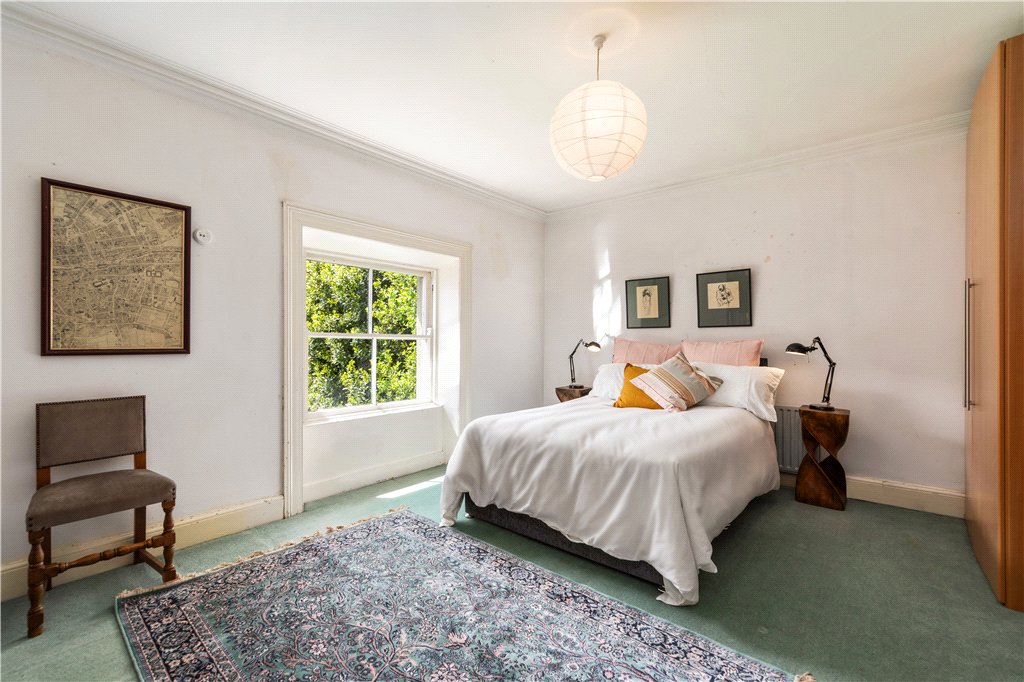
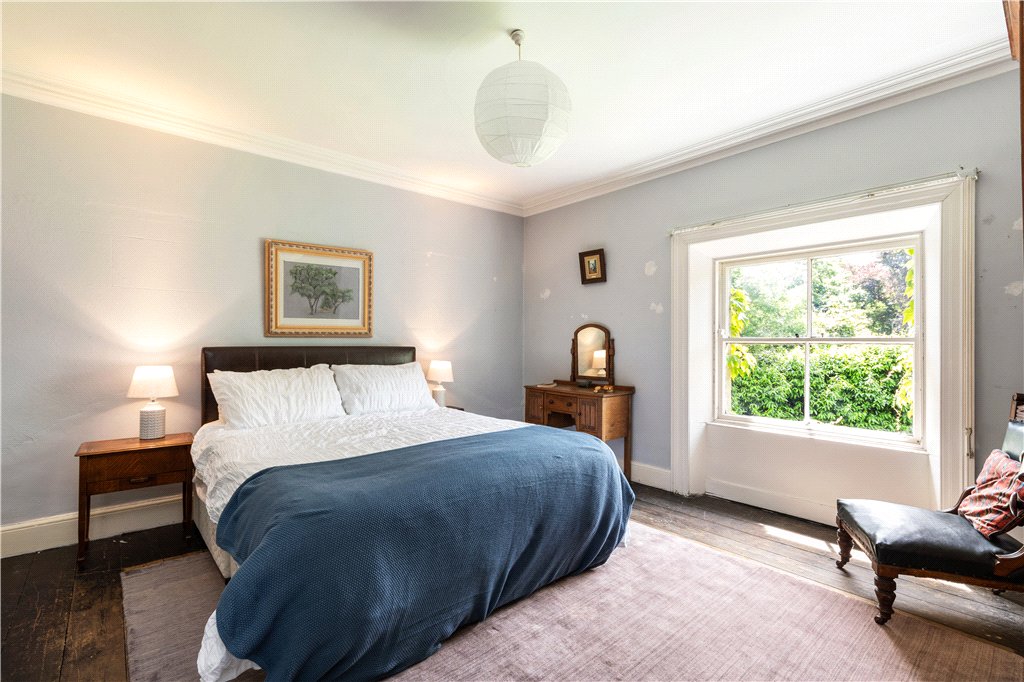
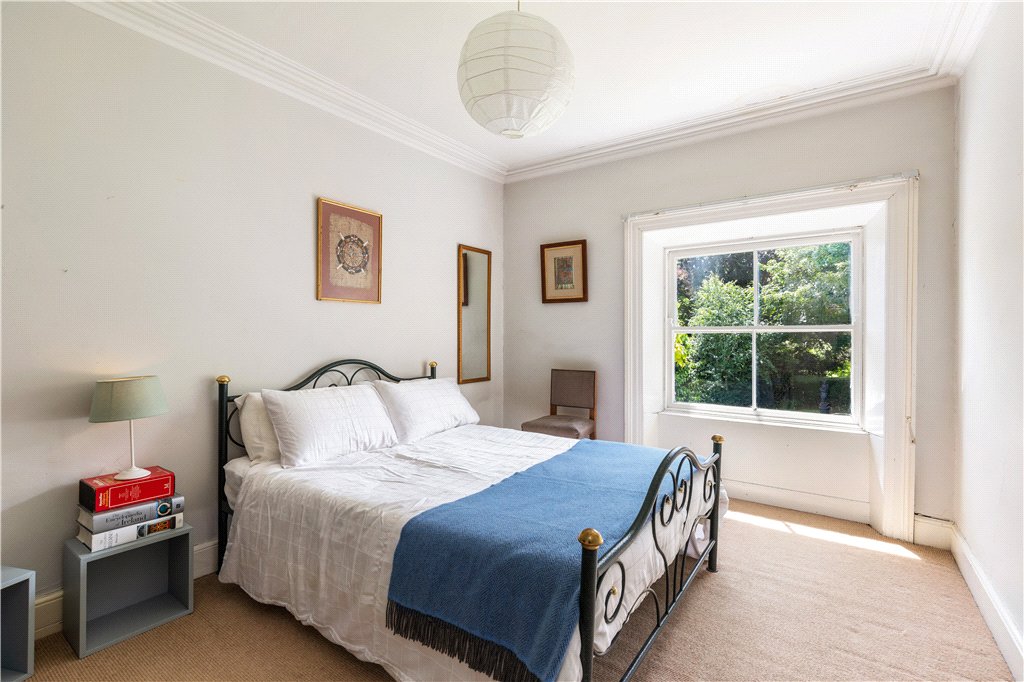
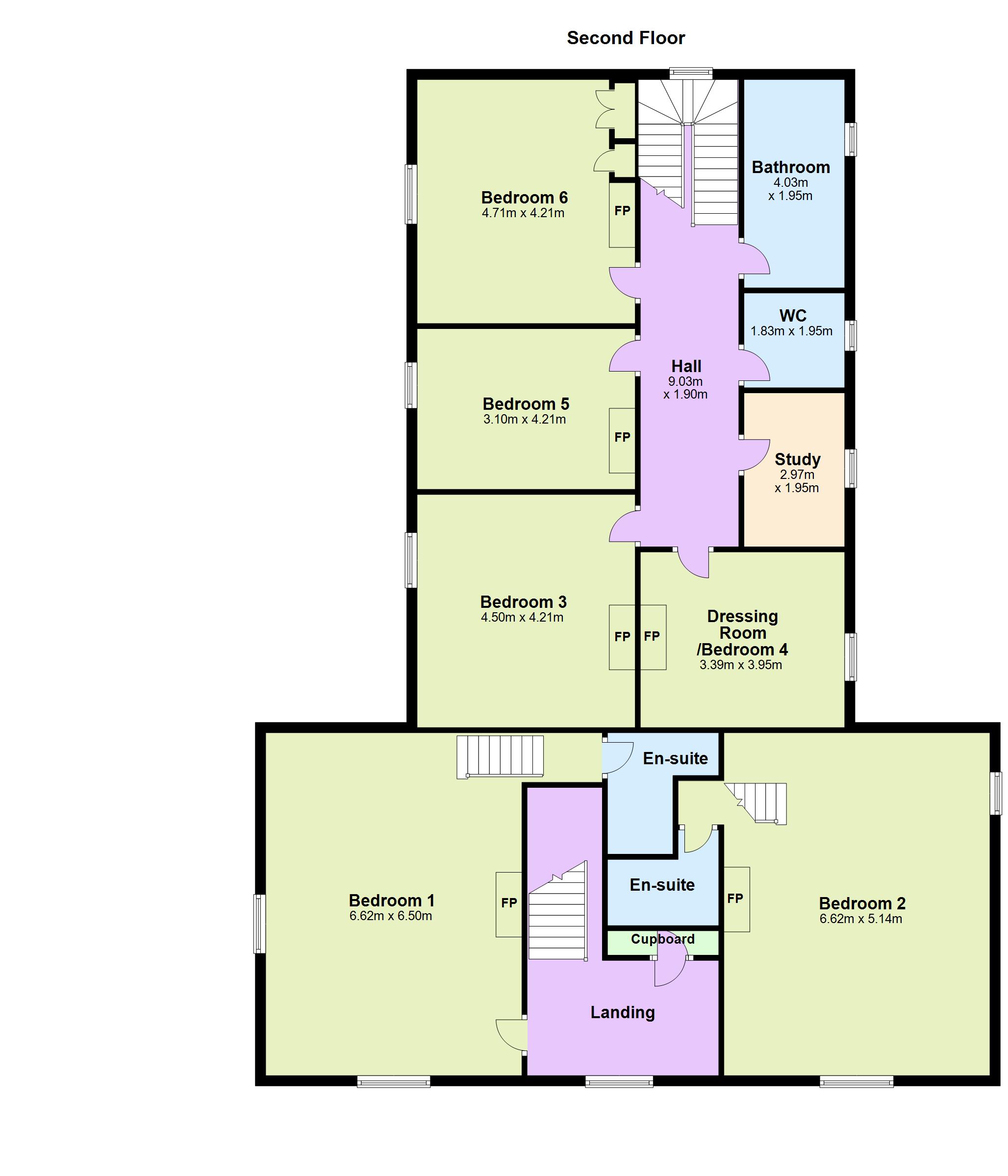
Three charming west-facing bedrooms overlook the gardens, accompanied by a family bathroom and a dressing room—equally suited to use as a bedroom or study.
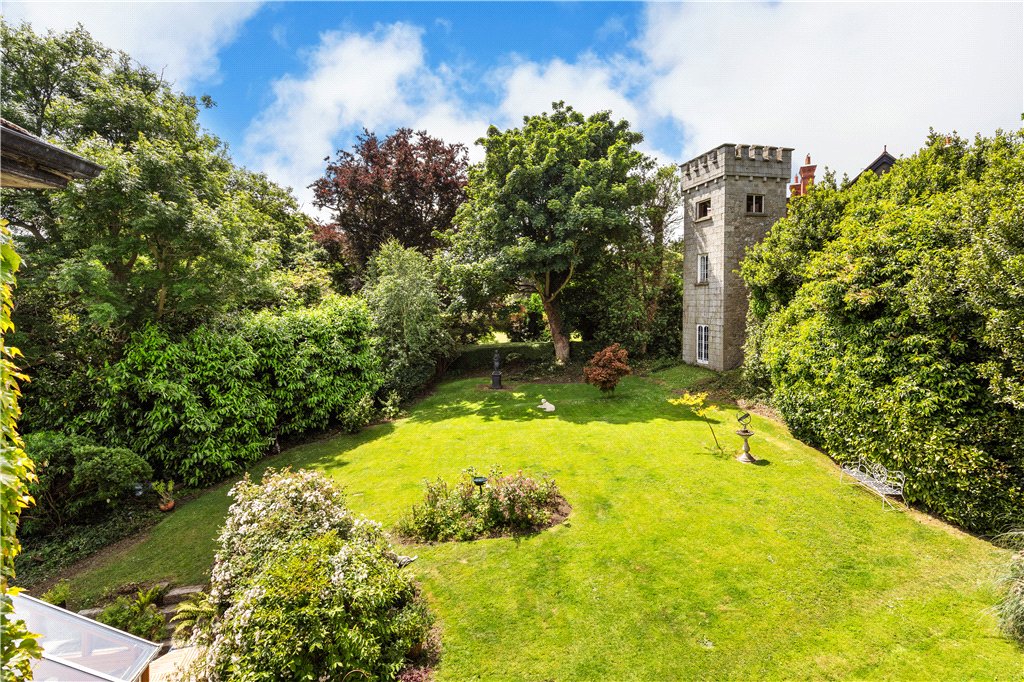
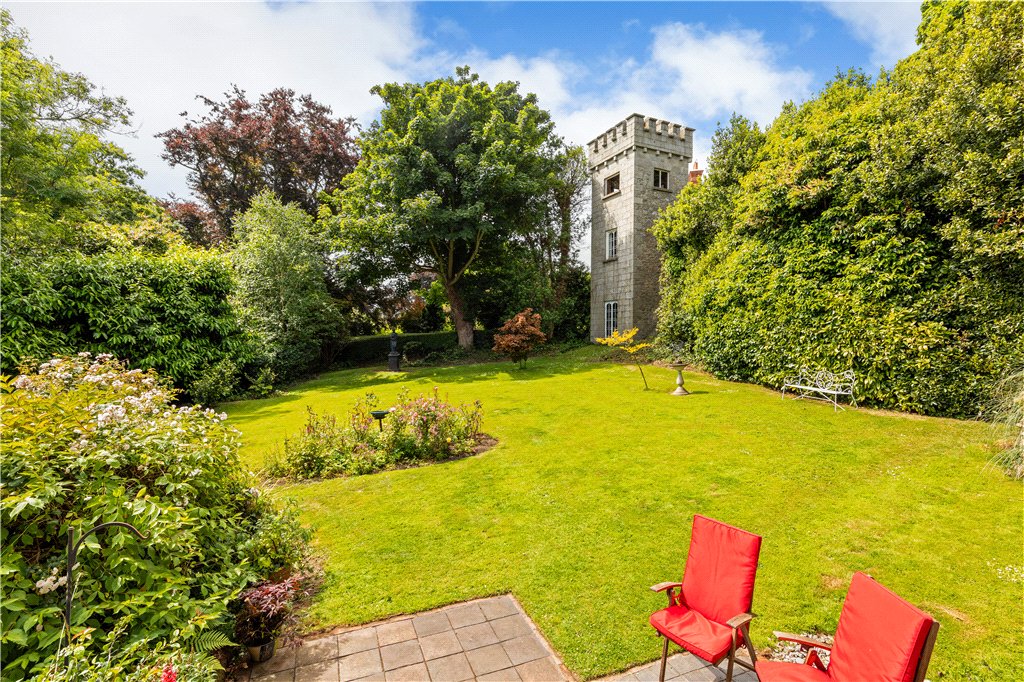
Beyond the main house stands one of Druid Lodge’s most enchanting features: Spite Tower. Built in 1878, legend holds that it was erected to obstruct the sea views of a neighbour who built too close to the boundary wall. Whatever its origins, it has long captured the imagination.
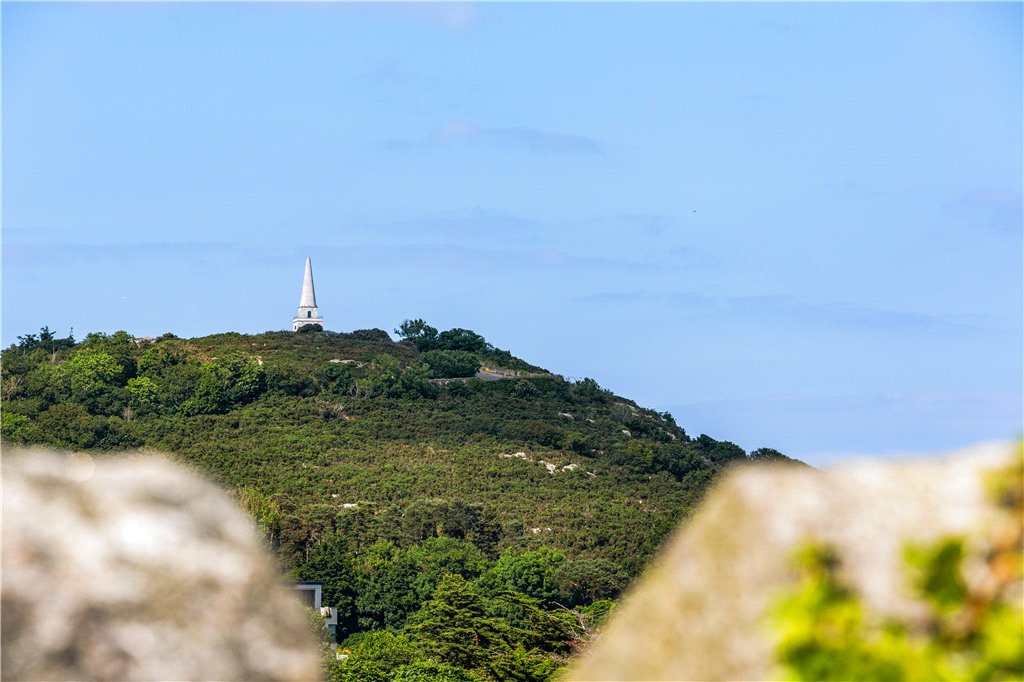
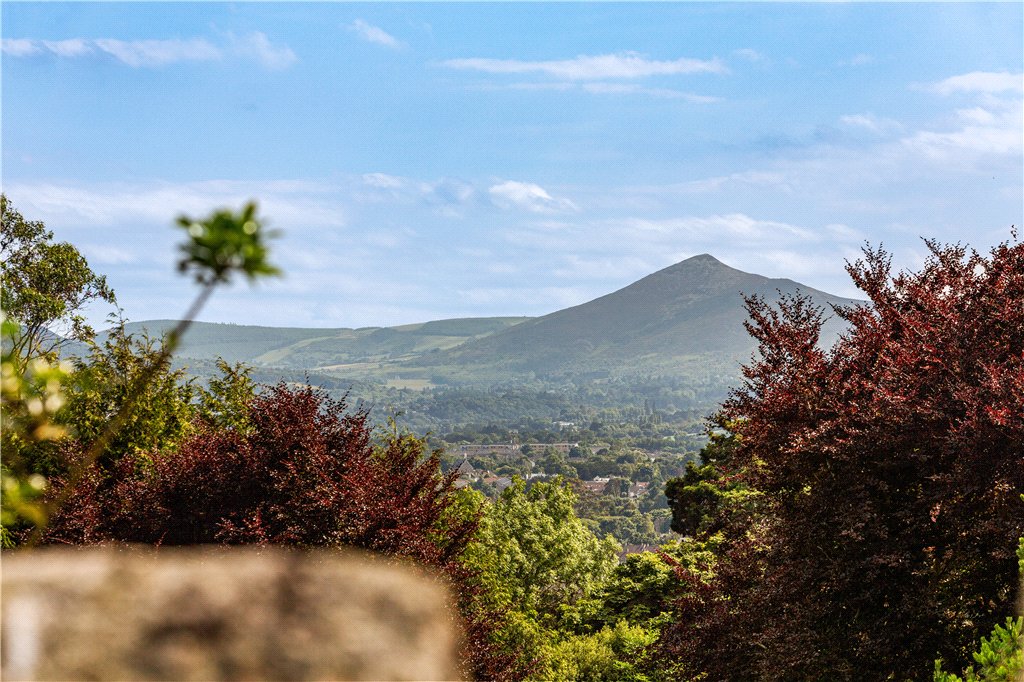
Once the treasured bedroom of the owners’ eldest child, the granite tower offers two small rooms and access to a balustraded roof with panoramic views over Killiney Hill, the sea and the Dublin Mountains. It is a place of endless possibility—a private studio, writing retreat, guest hideaway or simply a magical escape.
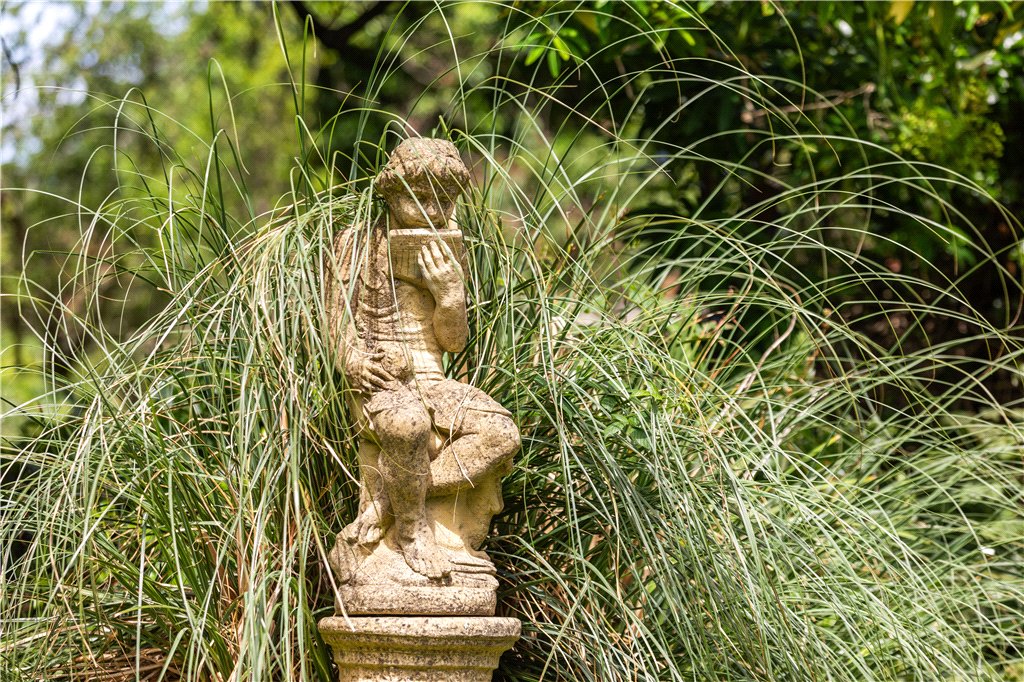
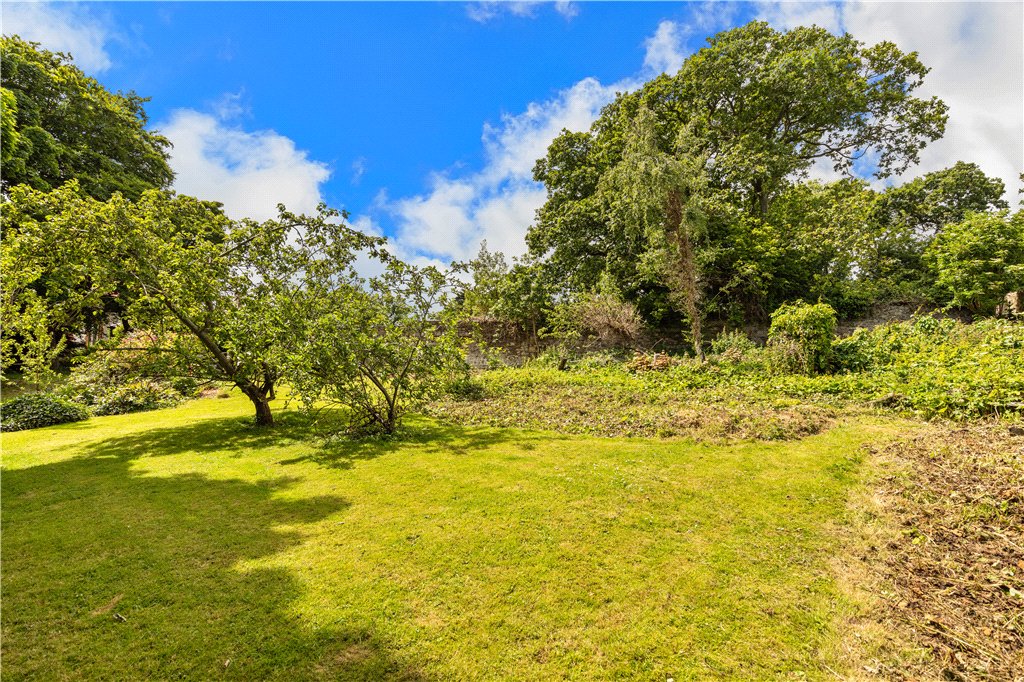
The gardens are mature and peaceful, wrapping the house in privacy and seasonal colour. At their far end lies the potential to resurrect a former lawn tennis court, while a vegetable garden awaits a revival that could once again prove richly productive.
Despite its fairy-tale seclusion, Druid Lodge is superbly positioned. Killiney village, Dalkey, excellent schools, the beach and the DART are all within easy reach, while swift access to the M50 ensures effortless connectivity. There is an excellent selection of highly regarded schools within close proximity as well as a wide range of leisure and recreation facilities.
Druid Lodge is not simply a house—it is a place of story, soul and substance. A rare opportunity to steward a home where history, craftsmanship and coastal beauty meet in quiet harmony.


 Detached
  8 Bedrooms
  8 Bathrooms
  545 sqm


 offStreet
  3
3  2
2  122 sqm